Follow Me On Social Media!
Thick Churro Cookies
Soft, thick churro-inspired cookies rolled in cinnamon sugar and finished with a silky cinnamon cream cheese frosting. Step-by-step recipe, tips, and variations.

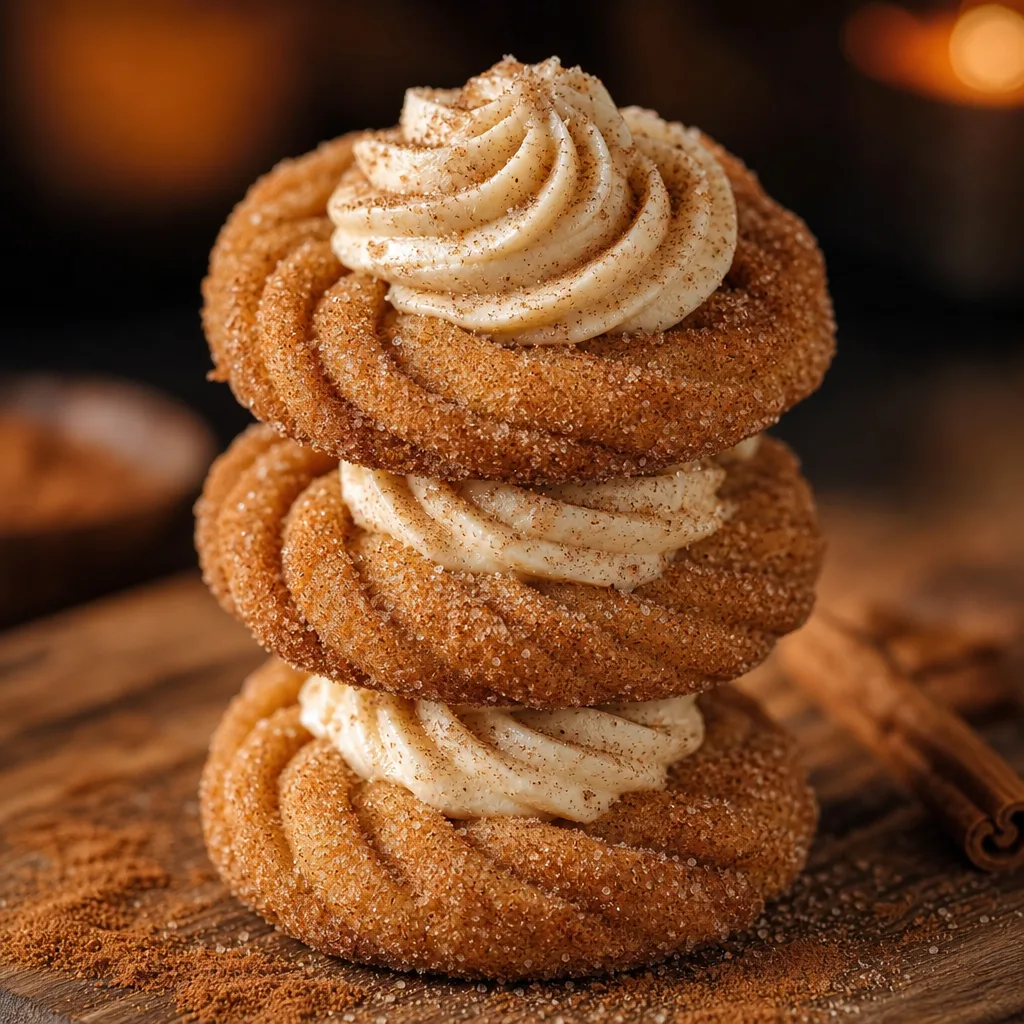
Thick Churro Cookies are a cozy, indulgent twist on the classic churro — reimagined as soft, thick cookies rolled in cinnamon sugar and finished with a silky cinnamon cream cheese frosting. These cookies pair the familiar, crunchy cinnamon-sugar exterior of a churro with a tender, almost cake-like interior and a pillowy swirl of frosting that melts into every crevice. They’re perfect for an afternoon treat with coffee, a weekend baking project, or a crowd-pleasing addition to a dessert board.
This recipe is intentionally forgiving: the dough is sturdy enough to hold an elevated, ridged shape or to form high mounded scoops, and the cinnamon-sugar coating creates an irresistible, lightly gritty crust. The cream cheese frosting is pipable but smooth, flavored with warm cinnamon and a touch of vanilla so that each bite reads like a bite of warm cinnamon pastry. The overall effect is familiar but elevated — nostalgic churro flavor in cookie form with a contemporary frosting finish.
In this post you’ll find a complete, tested method that keeps the cookies thick and soft in the center while delivering a crisp cinnamon-sugar shell. I’ll walk through ingredient choices and substitutions, timing and temperature, how to shape and pipe the frosting for a professional look, and tips to make these ahead or scale them up for parties. There are variations to suit dietary needs and flavor twists if you want to take them in a different direction. If you love nostalgic cinnamon desserts with a little modern bakery flair, these Thick Churro Cookies will become a new favorite.
Why this recipe works
Balancing texture is the key to transforming churro flavor into a cookie. The granulated sugar coating supplies the signature gritty crust that distinguishes churros, while the dough beneath needs to be soft and tender rather than crunchy. This recipe uses a measured combination of butter and a touch of neutral oil to provide both flavor and moisture: butter contributes richness and browning, while the oil keeps the interior pliable and less prone to drying out.
Leavening is deliberately modest — enough to create thickness and lift without turning the cookies into cake. The short bake time and the technique of letting cookies finish on the sheet allow the centers to remain slightly underbaked when removed, which produces that desirable soft, almost pudding-like center that contrasts with the crisp cinnamon-sugar exterior.
Ingredient notes and sensible substitutions
Flour and leaveners: Standard all-purpose flour gives the best familiar texture, but you can substitute a cup-for-cup gluten-free blend that includes xanthan gum. Both baking powder and a touch of baking soda are used here to get a balanced rise and an appealing crumb; omitting the baking soda will reduce spread and browning slightly.
Sugars: A mix of granulated and brown sugar yields flavor and chew. Brown sugar provides moisture and a faint caramel note that pairs exceptionally well with cinnamon. If you only have dark brown sugar, use it; if only granulated sugar is available, increase the brown-sugar flavor in the frosting or add 2 teaspoons molasses to simulate brown sugar’s depth.
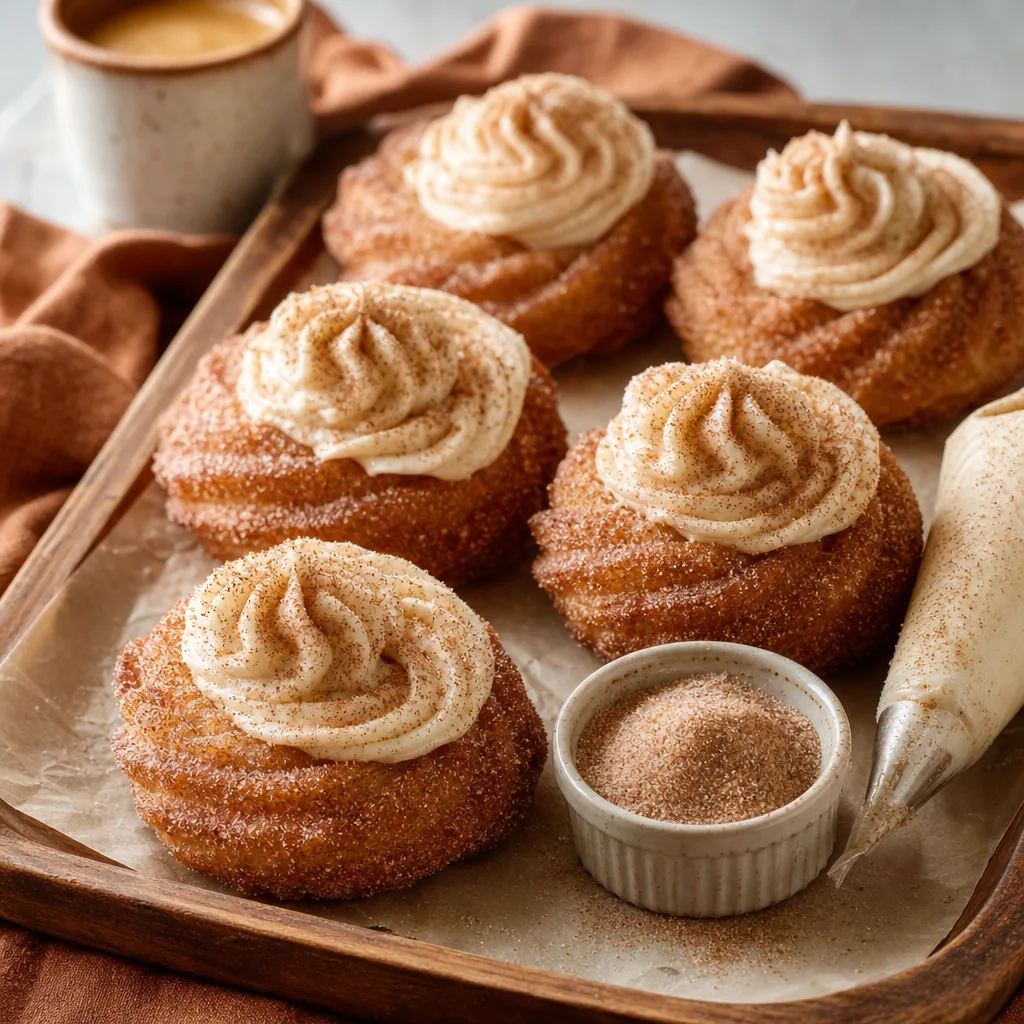
Ingredients
- all-purpose flour — 2 1/2 cups (325 g)
- baking powder — 1 teaspoon
- baking soda — 1/2 teaspoon
- fine sea salt — 1/2 teaspoon
- ground cinnamon — 2 teaspoons (divided)
- unsalted butter, room temperature — 1 cup (226 g)
- granulated sugar — 3/4 cup (150 g)
- light brown sugar, packed — 1/2 cup (100 g)
- large eggs — 2, room temperature
- pure vanilla extract — 2 teaspoons
- vegetable oil or neutral oil — 1 tablespoon
- milk (any) — 1 to 2 tablespoons (as needed)
- granulated sugar (for rolling) — 1/2 cup (100 g)
- cream cheese, full-fat, room temperature — 4 ounces (113 g)
- unsalted butter for frosting, room temperature — 3 tablespoons (42 g)
- powdered sugar — 1 to 1 1/4 cups (120–150 g)
- additional ground cinnamon for frosting dusting — to taste
- kosher salt — a pinch (for frosting)
- nonstick cooking spray or parchment — as needed
Instructions
- Preheat the oven to 350°F (175°C). Line two baking sheets with parchment paper or silicone mats and set aside. (uses: ing1, ing2, ing3)
- In a medium bowl whisk together the all-purpose flour (ing1), baking powder (ing2), baking soda (ing3), fine sea salt (ing4), and 1 teaspoon of the ground cinnamon (ing5). Set the dry mixture aside. (uses: ing1, ing2, ing3, ing4, ing5)
- In the bowl of a stand mixer fitted with the paddle attachment (or a large mixing bowl with a hand mixer), cream the room-temperature unsalted butter (ing6) with granulated sugar (ing7) and packed light brown sugar (ing8) on medium-high speed until light and fluffy, about 2 to 3 minutes. Scrape down the sides as needed. (uses: ing6, ing7, ing8)
- Add the eggs (ing9) one at a time, beating well after each addition. Mix in the vanilla extract (ing10) and the vegetable oil (ing11) until incorporated. The oil helps keep the centers tender and produces a slightly shinier exterior. (uses: ing9, ing10, ing11)
- With the mixer on low speed, gradually add the dry ingredients into the wet mixture just until combined. If the dough feels too stiff to shape, add 1 tablespoon of milk (ing12) and mix briefly; repeat only if necessary. The finished dough should be thick and hold its shape when scooped. (uses: ing1, ing2, ing3, ing4, ing5, ing12)
- Using a tablespoon or a medium cookie scoop, portion the dough into high mounds about 2 tablespoons each (roughly 1 1/2 inches tall). For taller, ridged cookies, press each mound into a large closed star piping tip or use a cookie press; otherwise, shape into tall rounds with the scoop. Place dough portions 2 inches apart on the prepared sheets. (uses: ing1)
- In a shallow bowl combine 1/2 cup granulated sugar (ing13) with the remaining 1 teaspoon of ground cinnamon (ing5). Gently roll each cookie mound in the cinnamon-sugar to coat the exterior and return to the baking sheet. For a more defined crust, press the coated dough lightly with your palm. (uses: ing13, ing5)
- Bake cookies in the preheated oven for 11 to 14 minutes, rotating sheets front to back halfway through. Bake until the edges are set and the tops are a deep golden brown; centers should still look slightly soft — they will firm as they cool. (uses: ing1)
- Remove the baking sheets to wire racks and allow cookies to cool for 5 minutes on the sheet before transferring to the rack to cool completely. Cooling partially on the sheet helps the cookies retain height and set the exterior crust. (uses: ing1)
- Meanwhile, prepare the cinnamon cream cheese frosting. In a medium bowl beat the room-temperature cream cheese (ing14) and softened unsalted butter for frosting (ing15) until smooth and completely combined, about 2 to 3 minutes. (uses: ing14, ing15)
- Add powdered sugar (ing16) in two additions, mixing on low speed until incorporated, then increase speed and beat until silky. Add 1/2 teaspoon ground cinnamon (ing5) and a pinch of kosher salt (ing17). If the frosting is too thick to pipe, add 1 teaspoon milk (ing12) at a time until you reach a pipeable but stable consistency. (uses: ing16, ing5, ing17, ing12)
- Transfer the frosting to a piping bag fitted with an open star or round tip, or place in a small zip-top bag and snip a corner. Pipe a small swirl on top of each cooled cookie, aiming for a clean, twin-height finish that echoes the cookie’s ridges. (uses: ing16, ing5)
- Lightly dust each frosted cookie with a whisper of additional ground cinnamon (ing5) or sifted powdered sugar as desired. Serve at room temperature. (uses: ing5, ing16)
- Store cooled, unfrosted cookies in an airtight container at room temperature for up to three days; store frosted cookies in a single layer or between parchment sheets in the refrigerator for up to four days. Bring refrigerated frosted cookies to room temperature before serving so the frosting softens slightly. (uses: ing16)
Pro Tips
- Room temperature ingredients (butter, eggs, cream cheese) emulsify more easily and give a smoother dough and frosting.
- For extra height, chill the shaped mounds in the freezer for 10 minutes before rolling in cinnamon sugar and baking; this helps them keep their ridged form.
- If you want super-crisp edges, briefly broil the tops for 20–30 seconds at the end of baking—watch closely to avoid burning.
- Use full-fat cream cheese for the best frosting texture; low-fat varieties can be runny and interfere with piping.
- To make piping easier, chill the frosting for 5–10 minutes until slightly firmer but still pliable, then refill the bag and pipe.
Variations
- Chocolate-churro: Fold 1/3 cup unsweetened cocoa powder into the dry ingredients for a chocolate-dusted version and use a mocha frosting (add 1 teaspoon instant espresso to the cream cheese frosting).
- Apple-cinnamon: Fold 1/2 cup finely diced, peeled, and sautéed apple (cooled) into the cookie dough for a bite with fruit; reduce milk if dough becomes too soft.
- Maple-cream: Replace vanilla in the dough with 1 1/2 teaspoons pure maple extract and swap the cream cheese frosting for a maple buttercream (use 2 tablespoons real maple syrup in place of 1 tablespoon milk).
- Churro sandwich: Make pairs of similar-sized cookies and spread or pipe frosting between two cookies to create a sandwich with frosting in the middle.
Serving Suggestions
- Serve warm from the oven with a small bowl of extra cinnamon sugar for dipping.
- Plate on a wooden board with espresso cups or strong black coffee to cut the sweetness.
- Arrange frosted cookies on a dessert platter with sliced seasonal fruit like pears or apple wedges to lighten the plate.
- Include them in a holiday cookie exchange wrapped individually in parchment and tied with twine for a rustic presentation.
Make-ahead and batch strategies
For baking ahead, shape the cookies onto the sheets and freeze them uncovered until solid, then transfer to a resealable bag and freeze for up to one month. Bake from frozen, adding a minute or two to the bake time. This makes it easy to have fresh-baked cookies on demand without the full prep each time.
If you’re baking a large batch for an event, stagger your baking sheets so you always have one out cooling while another is baking. Pipe frosting only when you’re ready to serve to preserve the crispness of the cinnamon-sugar shell and keep the frosting texture ideal.
Storage and Reheating
Store unfrosted cookies at room temperature in an airtight container for up to three days. Keep frosted cookies refrigerated in a single layer or separated by parchment for up to four days. To reheat, set a frosted cookie on a baking sheet and warm at 275°F (135°C) for 4–6 minutes to bring the center back to a tender texture and slightly soften the frosting; watch closely so the frosting doesn’t melt into the cookie.
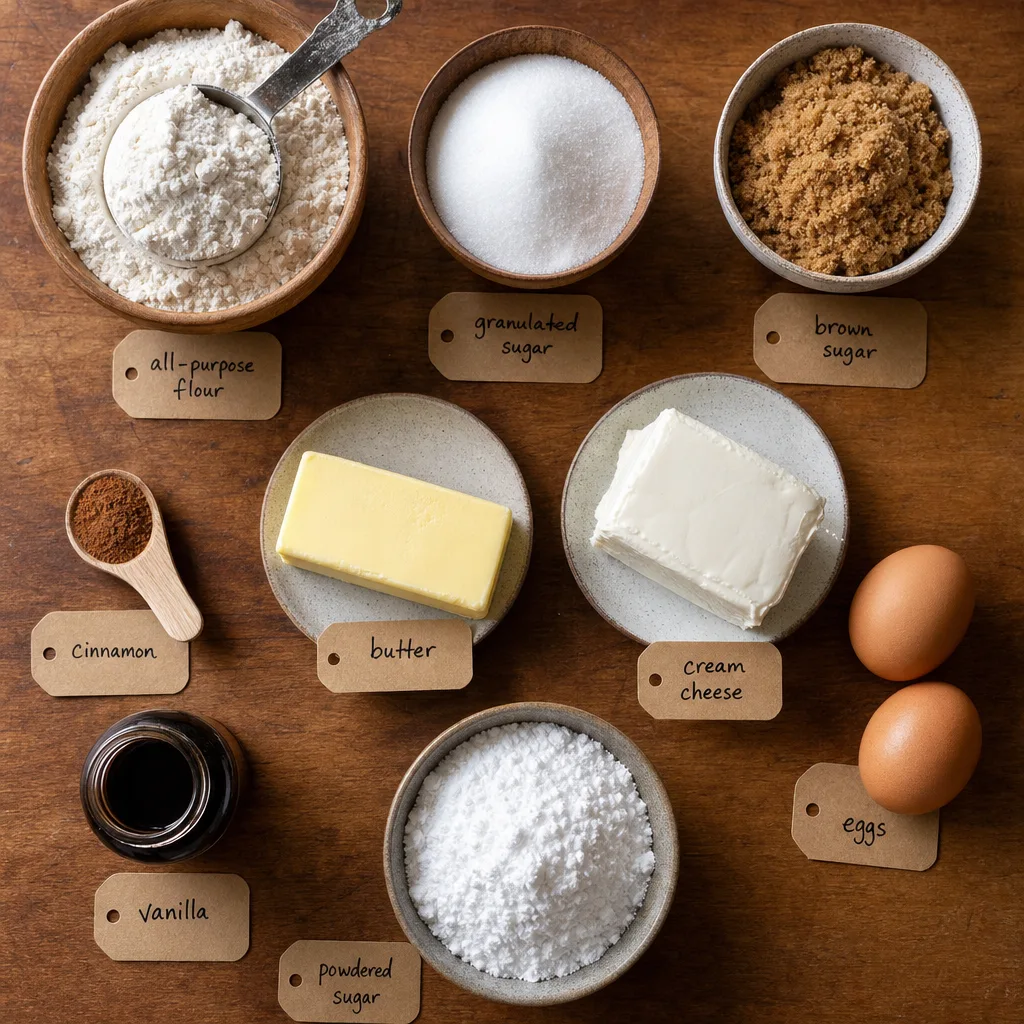
Thick Churro Cookies
Soft, thick cookies rolled in cinnamon sugar and topped with a piped cinnamon cream cheese frosting. Inspired by churro flavors, these cookies balance a crisp exterior and a tender interior.
Ingredients
Equipment
Method
- Preheat the oven to 350°F (175°C). Line two baking sheets with parchment paper or silicone mats and set aside.
- Whisk together the flour, baking powder, baking soda, salt, and 1 teaspoon ground cinnamon in a medium bowl; set aside.
- Cream the room-temperature butter with granulated sugar and packed light brown sugar until light and fluffy, about 2–3 minutes.
- Beat in the eggs one at a time, then add vanilla and the tablespoon of oil until combined.
- With the mixer on low, add the dry ingredients until just combined. If the dough is very stiff, add 1 tablespoon milk and mix briefly to reach a scoopable consistency.
- Portion the dough into high mounds (about 2 tablespoons each). For taller shapes use a piping tip or press; place mounds 2 inches apart on the prepared sheets.
- Combine the 1/2 cup granulated sugar for rolling with the remaining 1 teaspoon cinnamon in a shallow bowl and roll each dough mound to coat, then return to the sheet.
- Bake for 11–14 minutes, rotating halfway, until edges are set and tops are golden; centers may look slightly soft. Remove and cool on the sheet for 5 minutes, then transfer to a wire rack to cool completely.
- While cookies cool, beat the room-temperature cream cheese and frosting butter until smooth, then gradually add powdered sugar, cinnamon, and a pinch of kosher salt. Thin with milk by the teaspoon if needed to make the frosting pipeable.
- Pipe a small swirl of the cinnamon cream cheese frosting onto each cooled cookie and dust lightly with a bit more cinnamon if desired.
- Store unfrosted cookies in an airtight container at room temperature for up to three days. Keep frosted cookies refrigerated and bring to room temperature before serving.
Notes
For best results, use room-temperature ingredients and do not overmix once the flour is added.
If you prefer a less tangy topping, substitute buttercream for cream cheese frosting.
Frequently Asked Questions
Can I make the dough ahead of time?
Yes. You can make the cookie dough up to 48 hours ahead and keep it refrigerated in an airtight container. Before baking, allow it to come to room temperature for 20 to 30 minutes so it’s easier to scoop and shape. For longer storage, freeze baked, uncoated cookie mounds or chilled scoops for up to one month and bake from frozen, adding 1 to 2 minutes to the bake time.
Why do the cookies stay soft in the center?
These cookies are formulated with a combination of butter and a small amount of oil, plus a balanced ratio of leaveners, which results in a tender, slightly cake-like crumb. Underbaking by a minute or two also helps retain moisture in the center; the cookies finish setting as they cool on the baking sheet.
Can I swap the cream cheese frosting for buttercream?
Absolutely. If you prefer buttercream, use 6 tablespoons unsalted butter and 1 1/2 cups powdered sugar with a teaspoon of vanilla and a 1/2 teaspoon cinnamon. Beat until fluffy, and add milk by the teaspoon to reach a pipeable consistency. The buttercream will be sweeter and less tangy than the cream cheese version.
My frosting is too runny — how do I fix it?
If the frosting is too loose, refrigerate it for 10–20 minutes and then whip it again briefly. You can also add an extra 1/4 cup of powdered sugar to thicken. Conversely, if it’s too thick, add milk a teaspoon at a time until it loosens to a pipeable texture.
Can these be made gluten-free?
Yes. Replace the all-purpose flour with a 1:1 blended gluten-free flour that contains xanthan gum, and keep an eye on moisture — some GF flours absorb more liquid. You may need to add an extra tablespoon of milk if the dough seems overly stiff. Texture will be slightly different but still delicious.