Follow Me On Social Media!
The Ultimate Southern Banana Cobbler: A Warm Hug in a Bowl

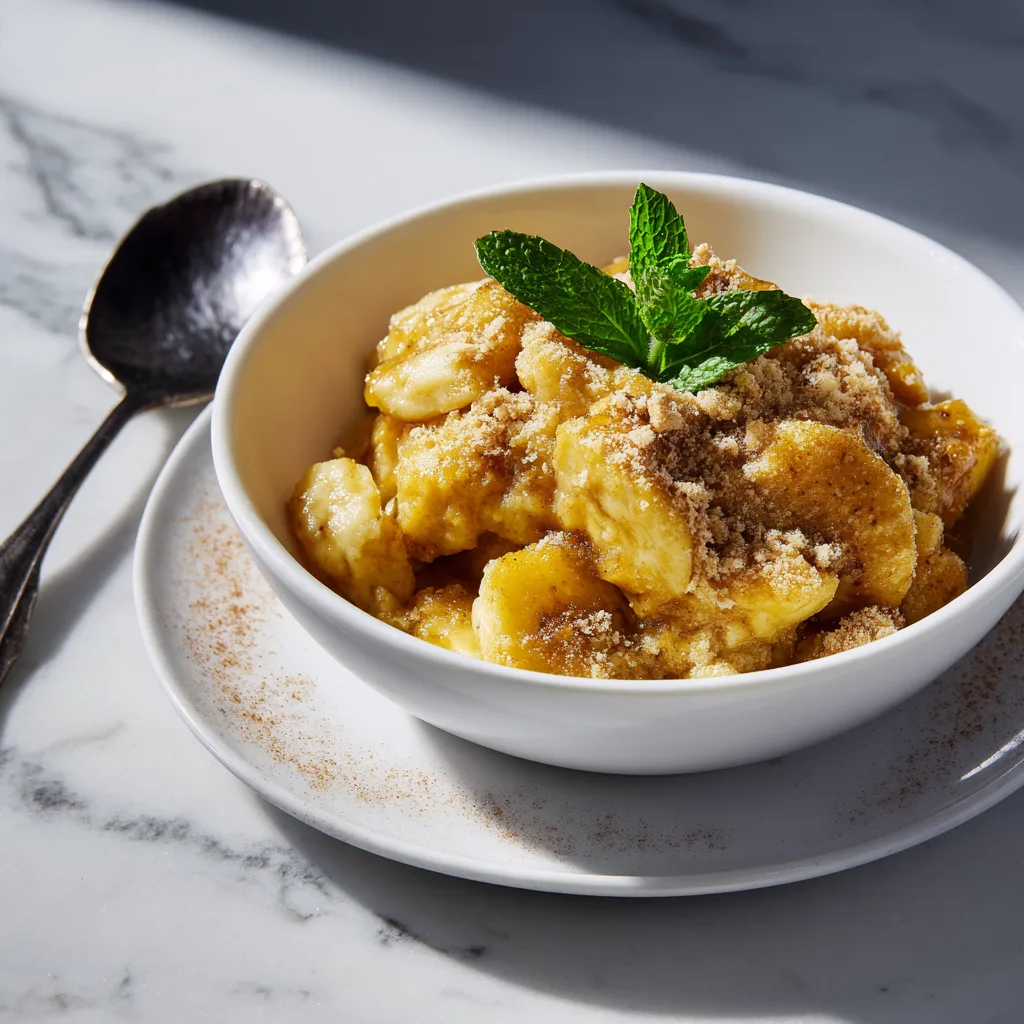
There is something undeniably magical about Southern baking. It isn’t just about the sugar, the flour, or the fruit; it is about the feeling it evokes. It is the aroma that fills the kitchen, pulling family members from the far corners of the house. It is the simplicity of ingredients transforming into something greater than the sum of their parts. Among the pantheon of Southern classics—peach cobbler, blackberry slump, and pecan pie—there sits a humble, often overlooked masterpiece: Southern Banana Cobbler.
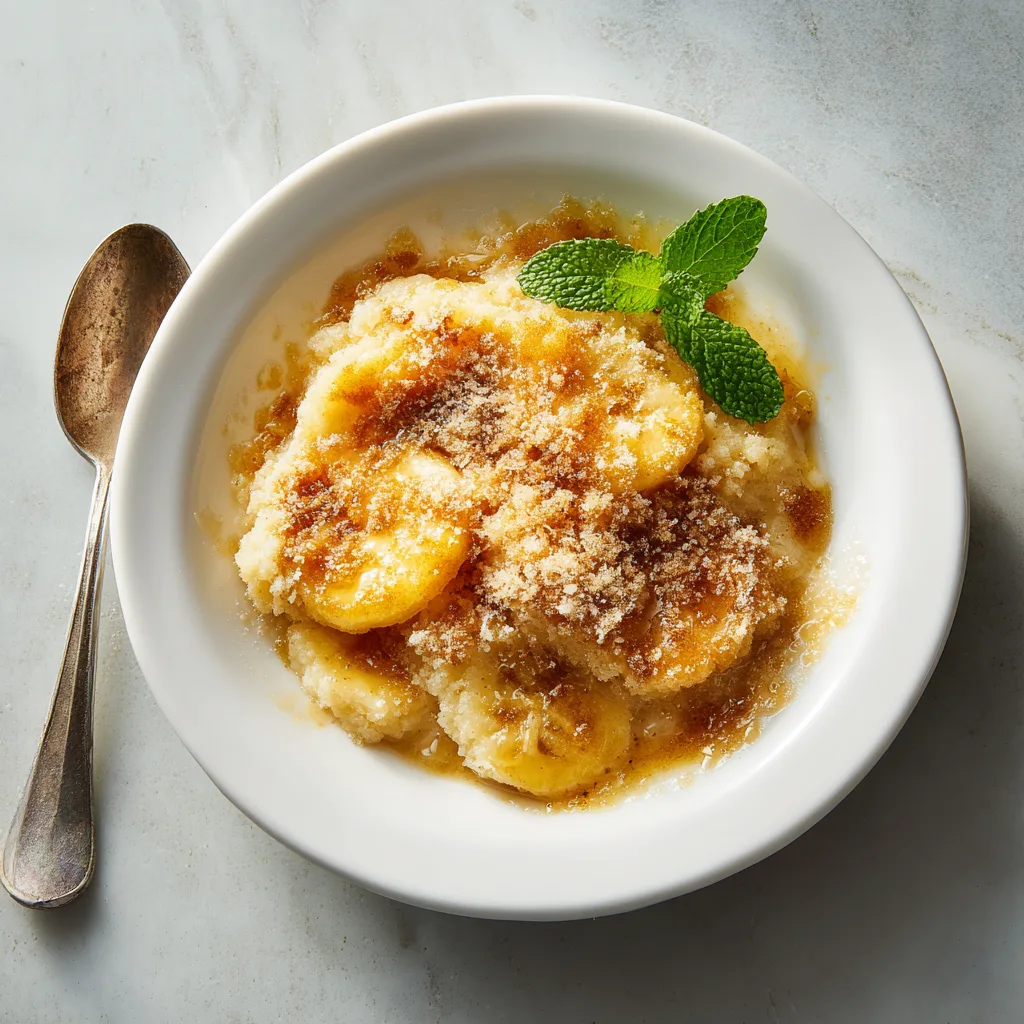
If you are a fan of banana pudding, this recipe is going to change your life. Imagine the creamy, comforting flavor of warm, caramelized bananas, but instead of cold custard and soggy wafers, they are nestled in a fluffy, golden, cake-like crust that rises up to hug the fruit as it bakes. The edges get crispy and buttery, the center stays soft and gooey, and the bananas themselves turn into sweet pockets of jammy perfection. It is a dessert that bridges the gap between a breakfast pastry and a decadent after-dinner treat.
This dish is the definition of comfort food. It relies on what is known in many Southern kitchens as the “cuppa-cuppa-cuppa” method or the “melted butter” method. It’s incredibly forgiving, making it perfect for novice bakers, yet the flavor profile is complex enough to impress even the most seasoned dessert connoisseur. The magic happens in the oven: you pour the batter over melted butter, you add the fruit, and you never stir. The heat causes the batter to rise up and over the heavy fruit, creating that signature cobbler appearance that is rustic, beautiful, and utterly delicious.
In this guide, we are going to walk through everything you need to know to make the perfect Southern Banana Cobbler. From selecting the right bananas to mastering the “do not stir” technique, we have got you covered. So, preheat your oven and get your butter ready—we are making magic today.
Ingredients
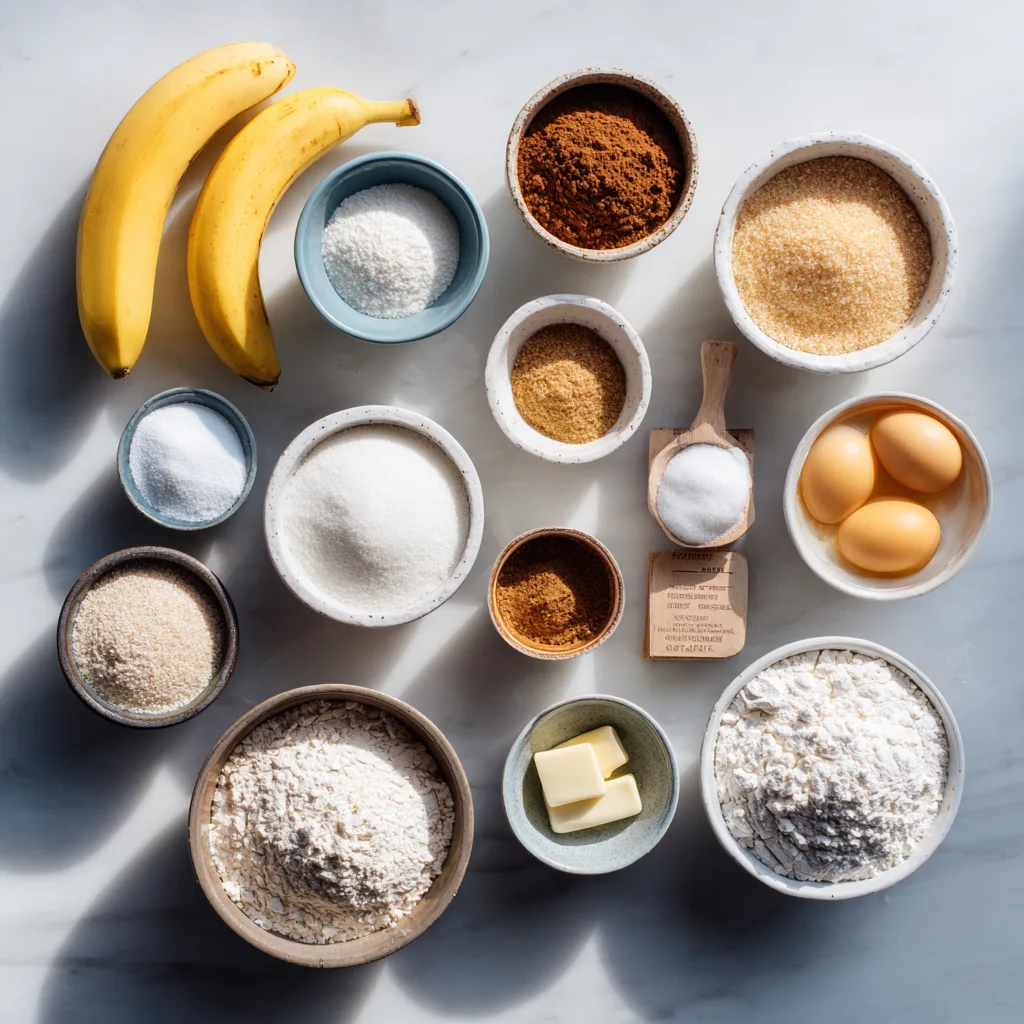
To make this Southern Banana Cobbler, you will need a few pantry staples. The beauty of this recipe lies in its simplicity.
- Bananas – You will need about 3 to 4 medium bananas. Look for bananas that are yellow with brown spots (cheetah spots). These are sweet enough to provide great flavor but firm enough to hold their shape during baking. Avoid green bananas (too starchy) or completely black bananas (too mushy).
- Butter – Unsalted butter is preferred so you can control the sodium, but salted butter works fine too; just omit the extra pinch of salt in the batter. This is the foundation of the crust.
- Self-Rising Flour – This is the secret to that fluffy rise. If you only have all-purpose flour, you can make your own self-rising blend (see the tips section).
- Granulated Sugar – This sweetens the batter and helps create that golden, crispy top crust.
- Milk – Whole milk is best for richness, but 2% will work. The milk creates the batter that eventually puffs up into the “cobbler” crust.
- Vanilla Extract – A splash of high-quality vanilla extract ties all the flavors together and complements the bananas perfectly.
- Brown Sugar – Used for sprinkling over the top of the bananas before baking. It caramelizes with the fruit to create a deep, toffee-like flavor profile.
- Cinnamon and Nutmeg – These warm spices are the soul of the dish. They pair beautifully with the cooked bananas and give the kitchen that incredible autumn aroma.
- Salt – Just a pinch to balance the sweetness.
Instructions
Follow these steps carefully, especially the rule about not stirring!
- Preheat and Melt: Preheat your oven to 350°F (175°C). Place the stick of butter (1/2 cup) directly into a 9×13 inch baking dish (or a deep 9-inch square dish for a thicker cobbler). Place the dish in the oven while it preheats until the butter is completely melted. Watch it closely so the butter doesn’t brown or burn.
- Prepare the Bananas: While the butter is melting, peel and slice your bananas. You can slice them into coins (rounds) or slice them lengthwise for a different texture. Set them aside.
- Mix the Batter: In a medium mixing bowl, whisk together the self-rising flour and granulated sugar. Pour in the milk and vanilla extract. Whisk gently until the batter is smooth and no large lumps remain. It should be a pourable consistency, similar to pancake batter.
- The Pour (Do Not Stir!): Remove the hot baking dish with the melted butter from the oven. Carefully pour the batter directly over the melted butter. Do not stir. I repeat, do not stir the batter into the butter. Let them sit in layers.
- Add the Fruit (Do Not Stir!): Arrange the banana slices on top of the batter. You can place them randomly or in rows. Again, do not stir the bananas into the batter. They will sink slightly on their own, and the batter will rise around them.
- The Topping: In a small bowl, mix the brown sugar with the cinnamon and nutmeg. Sprinkle this mixture evenly over the top of the bananas and batter. This will create a crunchy, caramelized crust on top.
- Bake: Bake in the preheated oven for 40 to 45 minutes. The cobbler is done when the crust is a deep golden brown and the center is set (not jiggly like raw batter).
- Cool and Serve: Remove from the oven and let it stand for about 10 minutes. This allows the sauce to thicken slightly. Serve warm, ideally with a scoop of vanilla ice cream or a dollop of whipped cream.
The Science of the “No-Stir” Method
You might be wondering why every Southern cobbler recipe emphasizes “do not stir.” It feels counterintuitive to leave ingredients separated in the pan. However, this is a matter of density and steam. The butter on the bottom fries the bottom of the crust, making it crispy. The batter is lighter than the butter but heavier than the steam that will generate during baking. As the flour mixture cooks, it expands and rises through the fruit and butter.
If you were to stir everything together, you would end up with a banana cake—delicious, sure, but uniform. You would lose the distinct textures that make a cobbler a cobbler: the gooey fruit bottom, the crispy buttery edges, and the soft, sponge-like top. By layering and letting the heat do the work, you create a dessert with multiple zones of texture and flavor.
Variations to Elevate Your Cobbler
While the classic recipe is perfection, there is always room for a little creativity in the kitchen. Here are a few ways to twist the recipe:
- The Elvis: Add a drizzle of peanut butter over the batter before adding the bananas, or sprinkle peanut butter chips on top. The combination of peanut butter and warm banana is iconic.
- Banana Foster Style: Add a splash of dark rum or rum extract to the batter. Before serving, drizzle with a caramel sauce.
- Tropical Twist: Mix ½ cup of sweetened shredded coconut into the batter and top the cobbler with toasted coconut flakes and chopped macadamia nuts.
- Chocolate Lover’s: Scatter semi-sweet chocolate chips over the bananas before baking. Warm chocolate and banana is a classic fondue flavor profile that works incredibly well here.
- Berry Medley: If you have a few strawberries or blueberries that need to be used, throw them in with the bananas. The tartness of the berries cuts through the sweetness of the bananas beautifully.
Tips for the Perfect Cobbler
- Butter Quality Matters: Since butter is a primary flavor driver here, use a good quality butter. European-style butters with higher fat content will yield a richer crust.
- Don’t Over-Bake: All ovens are different. Start checking your cobbler at the 35-minute mark. You want a golden brown color. If it looks pale, it will be doughy. If it gets too dark, the sugar in the crust will taste bitter.
- Self-Rising Substitute: If you do not have self-rising flour, you can make it. For every 1 cup of all-purpose flour, add 1 ½ teaspoons of baking powder and ¼ teaspoon of salt. Whisk well before using.
- Serving: This dish is best served warm. The contrast between the hot, steaming cobbler and a cold scoop of vanilla bean ice cream is essential to the experience.
- Make Ahead: While best fresh, you can mix the dry ingredients ahead of time. Do not slice the bananas until you are ready to bake, as they will oxidize and turn brown.
Storage and Reheating
Southern Banana Cobbler is one of those rare desserts that might actually be better for breakfast the next day.
- Fridge: Store leftovers in an airtight container in the refrigerator for up to 3 days. The crust will soften, becoming more like a bread pudding texture.
- Freezer: You can freeze baked cobbler, though the texture of the bananas may change slightly. Wrap tightly and freeze for up to a month. Thaw in the fridge overnight.
- Reheating: To revive the crust, reheat individual portions in the oven or a toaster oven at 350°F for about 10 minutes. You can use the microwave for 30-45 seconds, but you will lose the crispiness of the edges.
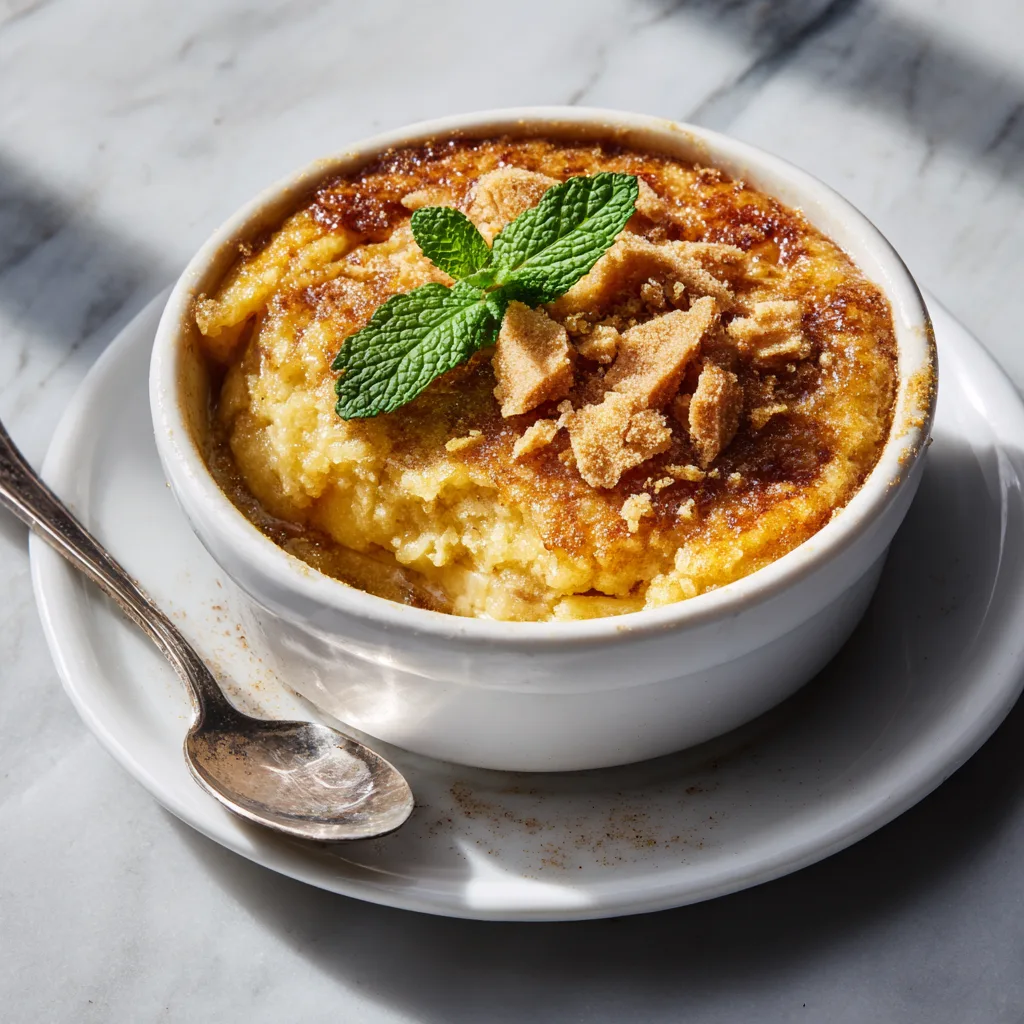
Southern Banana Cobbler
A warm, comforting Southern classic featuring sweet caramelized bananas nestled in a buttery, golden crust. Easy to make and perfect with vanilla ice cream.
Ingredients
Equipment
Method
- Preheat oven to 350°F (175°C). Place the butter in a 9×13 inch baking dish and put it in the oven to melt.
- In a mixing bowl, whisk together the self-rising flour and granulated sugar.
- Add the milk and vanilla extract to the flour mixture. Whisk slowly until smooth and combined.
- Remove the hot baking dish from the oven once butter is melted. Pour the batter directly over the melted butter. Do not stir.
- Slice the bananas and arrange them on top of the batter. Do not stir.
- In a small cup, mix the brown sugar, cinnamon, and nutmeg. Sprinkle this mixture evenly over the bananas.
- Bake for 40-45 minutes, or until the crust is golden brown and the center is set.
- Let cool for 10 minutes before serving warm.
Notes
If you don’t have self-rising flour, mix 1 cup all-purpose flour with 1.5 tsp baking powder and 1/4 tsp salt.
Cultural Context
Cobblers have a deep history in early American cuisine. The name likely comes from the “cobbled” appearance of the top crust, which looked like a cobblestone street. Early settlers would “cobble” together fruit, dough, and suet or butter in a pot over an open fire.
While peach and berry cobblers are more widely known, the banana cobbler is a testament to the Southern ingenuity of making a luxury out of available ingredients. As bananas became more available in the American South through trade routes in New Orleans and Charleston, they quickly found their way into puddings, breads, and naturally, cobblers. This dish represents the evolution of the cobbler from a survivalist campfire meal to a cherished family dessert served on Sunday afternoons.
Whether you are making this for a potluck, a holiday dinner, or just a Tuesday night when you need a little comfort, this Southern Banana Cobbler delivers. It is sweet, buttery, warm, and filled with love. Enjoy every bite!