Follow Me On Social Media!
The Ultimate Maple Dijon Chicken Bowls: A Masterclass in Sweet & Savory Balance

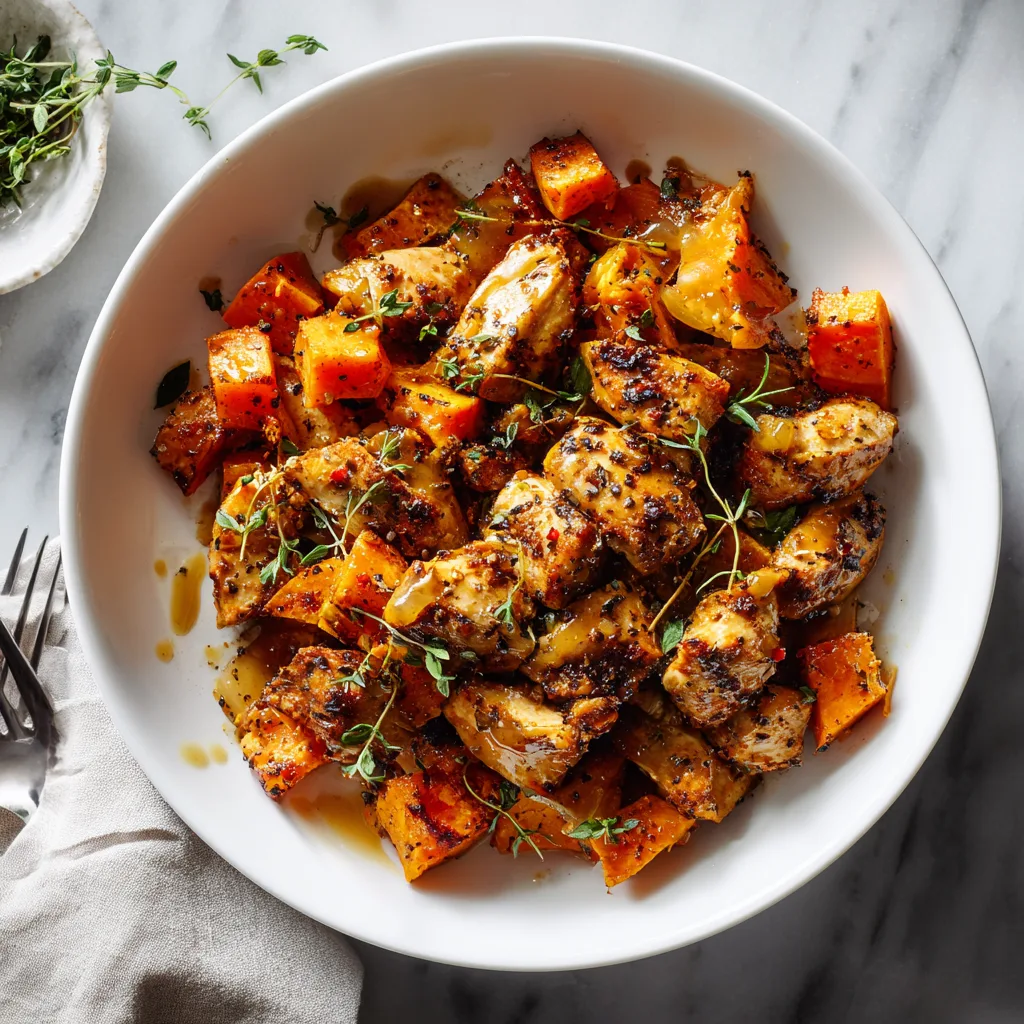
In the world of meal prep and healthy weeknight dinners, few flavor combinations rival the classic marriage of sweet maple syrup and sharp, tangy Dijon mustard. It is a pairing that hits every note on the palate—sweet, acidic, savory, and spicy—creating a culinary experience that feels indulgent while remaining deeply nourishing. Enter the Maple Dijon Chicken Bowl: a vibrant, texturally diverse dish featuring juicy grilled chicken, caramelized roasted sweet potatoes, and fluffy quinoa, all brought together by a golden, glossy sauce.
This isn’t just another chicken recipe; it is a blueprint for the perfect balanced bowl. Whether you are a fitness enthusiast looking for high-protein post-workout fuel, a busy parent seeking a dinner that will satisfy picky eaters, or simply someone who appreciates the comfort of autumn flavors, this recipe delivers.
In this comprehensive guide, we will walk you through everything you need to know to master this dish. From selecting the highest quality ingredients to achieving those perfect grill marks on your chicken and that distinct caramelization on your potatoes, we cover it all. We will also explore the science behind the sauce, offer variations for every dietary need, and provide expert tips on storage and reheating to ensure your meal prep tastes just as fresh on Friday as it did on Monday.
Why This Recipe Works
The success of the Maple Dijon Chicken Bowl lies in its composition. It follows the “Rule of Thirds” for bowl building: a hearty grain base, a robust protein, and a nutrient-dense vegetable, all unified by a “hero” sauce.
- Textural Contrast: You have the soft, fluffy bite of the quinoa against the tender yet charred chicken, and the creamy interior of the roasted sweet potatoes contrasted with their crispy edges.
- Flavor Complexity: The sauce acts as a bridge. The maple syrup enhances the natural sugars in the sweet potatoes, while the vinegar and mustard cut through the density of the protein and grains, keeping the palate refreshed with every bite.
- Nutritional Density: This bowl is a powerhouse. You get lean protein from the chicken, complex carbohydrates and fiber from the quinoa and sweet potatoes, and healthy fats if you use quality olive oil. It is sustained energy in a bowl.
Ingredients
To create the perfect Maple Dijon Chicken Bowls, you need fresh, quality components. Here is what you will need:
For the Chicken & Vegetables:
- Chicken Breast: 2 large boneless, skinless breasts. You can also use chicken thighs for a juicier, more forgiving cut, though they will have a slightly higher fat content.
- Sweet Potatoes: 2 medium-sized, peeled and diced into 1-inch cubes. The orange variety (Jewel or Garnet) works best for their high sugar content which aids caramelization.
- Quinoa: 1 cup dry (uncooked). Tricolor quinoa adds a nice nutty crunch, but white quinoa is fluffier and milder.
- Olive Oil: 3 tablespoons, divided. Used for roasting the veggies and searing the chicken.
- Smoked Paprika: 1 teaspoon. This adds a subtle background warmth and smokiness that mimics an outdoor grill.
- Garlic Powder: 1 teaspoon. Fresh garlic burns at high roasting temps, so powder is safer here.
- Salt & Black Pepper: To taste. Kosher salt is preferred for its cleaner flavor.
- Fresh Parsley or Thyme: For garnish. This adds a pop of color and a fresh, herbaceous finish.
For the Maple Dijon Sauce:
- Dijon Mustard: 1/3 cup. Look for a smooth, high-quality French Dijon. Grainy mustard can be used for texture, but smooth emulsifies better.
- Pure Maple Syrup: 1/4 cup. Ensure it is 100% pure maple syrup, not pancake syrup (which is corn syrup). The depth of flavor in real maple is non-negotiable.
- Apple Cider Vinegar: 1 tablespoon. This provides the necessary acid to brighten the sauce.
- Soy Sauce (or Tamari): 1 teaspoon. A secret ingredient that adds umami and depth, grounding the sweetness of the syrup.
- Olive Oil: 1 tablespoon. Helps to thicken the sauce into a glaze.
Step-by-Step Instructions
1. Prepare the Quinoa Base Begin by rinsing your quinoa thoroughly in a fine-mesh sieve under cold water. This removes saponin, a natural coating that can make quinoa taste bitter. Combine the rinsed quinoa with 2 cups of water (or chicken broth for extra flavor) in a medium saucepan. Bring to a boil, then reduce heat to low, cover, and simmer for 15 minutes. Remove from heat and let it sit, covered, for 5 minutes before fluffing with a fork.
2. Roast the Sweet Potatoes Preheat your oven to 400°F (200°C). In a large mixing bowl, toss the cubed sweet potatoes with 1 tablespoon of olive oil, half of the smoked paprika, salt, and pepper. Spread them in a single layer on a parchment-lined baking sheet. Do not overcrowd the pan, or they will steam instead of roast. Bake for 25–30 minutes, flipping halfway through, until they are fork-tender and have brown, caramelized edges.
3. Marinate and Cook the Chicken While the potatoes roast, prepare the chicken. Rub the chicken breasts with 1 tablespoon of olive oil, garlic powder, the remaining smoked paprika, salt, and pepper.
- Pan-Sear Method: Heat a large skillet (cast iron is ideal) over medium-high heat. Add the chicken and cook for 6–7 minutes per side, depending on thickness, until the internal temperature reaches 165°F (74°C). Let the chicken rest on a cutting board for at least 5 minutes before slicing. This resting period allows the juices to redistribute, ensuring moist meat.
- Grill Method: Preheat grill to medium-high. Grill chicken for 5–6 minutes per side, creating nice char marks.
4. Create the Maple Dijon Sauce In a small bowl or jar, whisk together the Dijon mustard, maple syrup, apple cider vinegar, soy sauce, and the remaining tablespoon of olive oil. Whisk vigorously until the mixture is emulsified and creamy. Taste and adjust—add more maple for sweetness or more vinegar for tang.
5. Assemble the Bowls Divide the fluffy quinoa among serving bowls. Top with a generous portion of roasted sweet potatoes and sliced chicken breast. Drizzle the Maple Dijon sauce generously over the chicken and veggies. Garnish with fresh chopped parsley or thyme and a crack of fresh black pepper.
The Science of the Sauce: Why Emulsification Matters
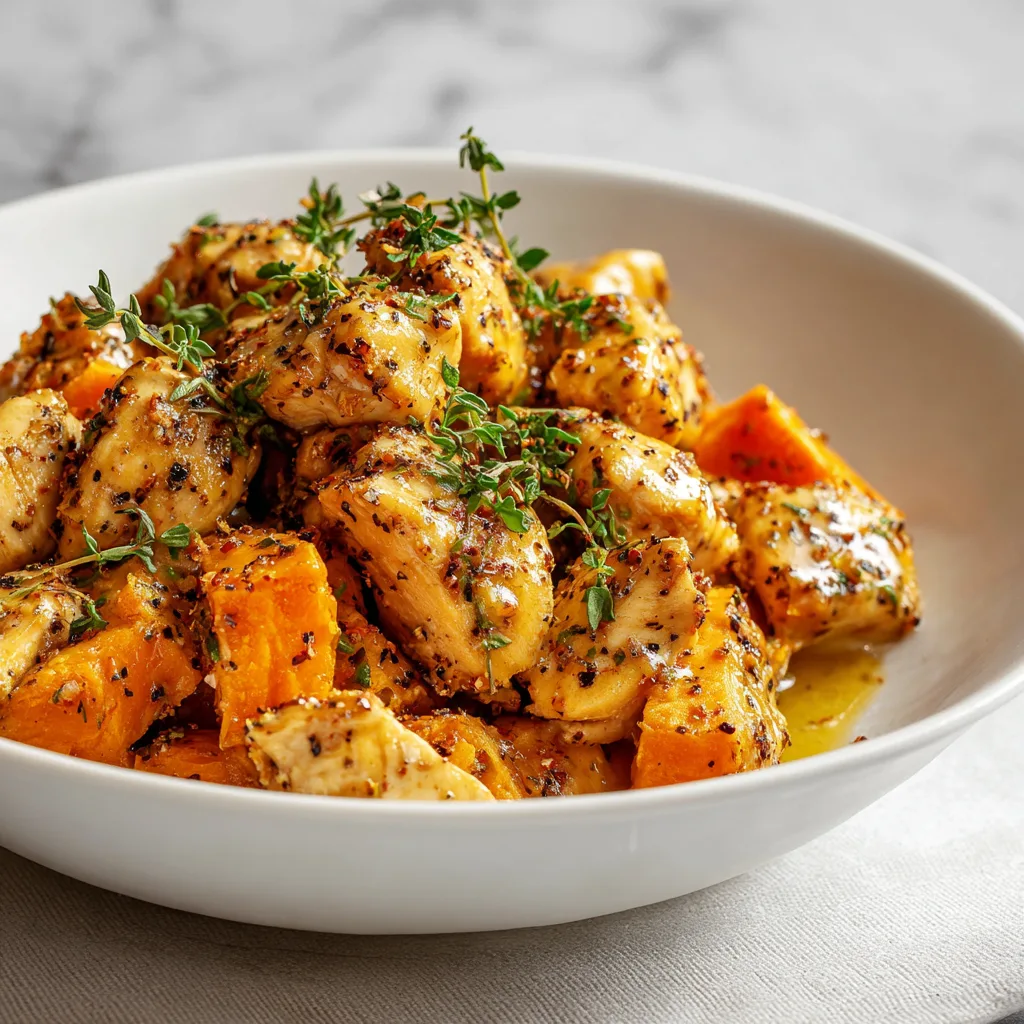
You might notice that the recipe calls for whisking olive oil into the mustard and syrup. This process is called emulsification. Mustard is a natural emulsifier; it helps the oil and the water-based liquids (syrup and vinegar) mix together permanently rather than separating. By whisking vigorously, you break the oil droplets down into microscopic sizes, creating a creamy, luxurious mouthfeel without adding any dairy. This technique ensures the sauce clings to the chicken rather than sliding off to the bottom of the bowl.
Variations and Substitutions
Cooking is an art, and this recipe is your canvas. Here are several ways to adapt the Maple Dijon Chicken Bowl to suit your lifestyle or pantry inventory:
- Vegetarian/Vegan Option: Swap the chicken for firm tofu or a can of chickpeas. Press the tofu, cube it, and toss it in cornstarch before pan-frying for a crispy exterior. Use the same sauce—it is naturally vegan!
- Low-Carb/Keto: Replace the quinoa with cauliflower rice and swap the sweet potatoes for roasted radishes or Brussels sprouts. For the sauce, use a sugar-free maple syrup alternative.
- The “Greens” Upgrade: Add a base of massaged kale or spinach mixed into the quinoa. Or, roast broccoli and Brussels sprouts alongside the sweet potatoes for extra fiber and micronutrients.
- Spicy Kick: Add a pinch of cayenne pepper or red pepper flakes to the sauce for a “Swicy” (sweet and spicy) profile, which is a major trending flavor profile.
Meal Prep and Storage Guide
This recipe is a meal prepper’s dream because the components hold up incredibly well in the fridge.
- Storage: Store the chicken, sweet potatoes, and quinoa in airtight containers in the refrigerator for up to 4 days. It is best to store the sauce in a separate small container to prevent the food from getting soggy, drizzling it on just before heating.
- Freezing: The cooked chicken and quinoa freeze beautifully for up to 3 months. Sweet potatoes can change texture slightly when frozen (becoming softer), but they are still safe to eat.
- Reheating: Microwave the solid components for 1.5 to 2 minutes. If the sauce has thickened in the fridge, add a teaspoon of warm water and shake it up before pouring.
Nutritional Highlights
Understanding what you eat is empowering. Here is a breakdown of the key nutrients in this bowl:
- Sweet Potatoes: Excellent source of Vitamin A (in the form of beta-carotene), which supports vision and immune health. They are also rich in potassium and fiber.
- Quinoa: A complete protein, meaning it contains all nine essential amino acids. It is also gluten-free and high in magnesium and iron.
- Lean Chicken: Provides high-quality protein necessary for muscle repair and satiety.
- Mustard Seeds: Dijon mustard contains selenium and magnesium, which have anti-inflammatory properties.
Culinary Context: The History of Maple and Mustard
The combination of maple and mustard is deeply rooted in North American cuisine, particularly in regions where maple syrup production is prevalent, like Vermont and Quebec. Historically, the sharpness of mustard was used to cut through the richness of fatty meats, while maple syrup was the primary sweetener available to early settlers. Combining the two created a “gastrique” style balance—sweet and sour—that has stood the test of time. This bowl honors that tradition but modernizes it for the health-conscious eater.
Tips for the Perfect Roast
One common mistake when roasting sweet potatoes is overcrowding the pan. When vegetables touch, they trap moisture. Instead of the dry heat of the oven caramelizing the natural sugars (the Maillard reaction), the moisture turns to steam, resulting in soft, boiled-texture potatoes. Always use a large enough baking sheet to give your cubes “personal space.” If necessary, use two pans. Additionally, rotating the pan halfway through cooking ensures even browning, as most ovens have hot spots.
Maple Dijon Chicken Bowls
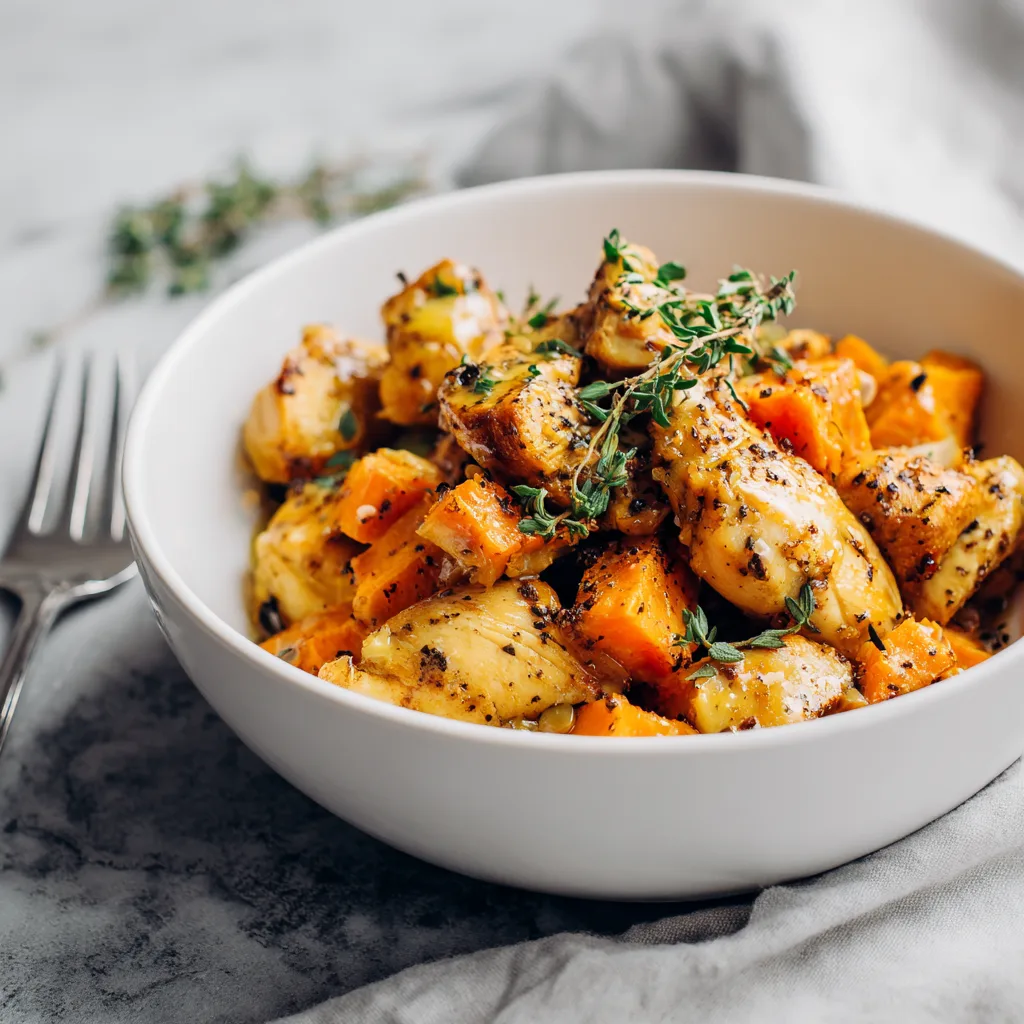
A balanced, healthy meal prep bowl featuring juicy pan-seared chicken, roasted sweet potatoes, and fluffy quinoa, all drizzled with a sweet and tangy maple dijon glaze.
Ingredients
Equipment
Method
- Preheat oven to 400°F (200°C). Line a baking sheet with parchment paper.
- Toss cubed sweet potatoes with 1 tbsp olive oil, half the paprika, salt, and pepper. Spread on baking sheet.
- Roast potatoes for 25-30 minutes, flipping halfway, until tender and caramelized.
- Meanwhile, combine quinoa and 2 cups water in a saucepan. Bring to boil, cover, reduce heat to low, and simmer 15 minutes. Fluff with fork.
- Season chicken with remaining olive oil, garlic powder, paprika, salt, and pepper.
- Heat a skillet over medium-high heat. Cook chicken 6-7 minutes per side until cooked through (165°F). Let rest, then slice.
- Whisk together Dijon mustard, maple syrup, apple cider vinegar, soy sauce, and olive oil until smooth.
- Assemble bowls with quinoa, roasted potatoes, and chicken slices. Drizzle generously with sauce before serving.
Notes
Store sauce separately if meal prepping to keep ingredients fresh.
Conclusion
The Maple Dijon Chicken Bowl is more than just a recipe; it is a solution to the “what’s for dinner?” dilemma. It proves that healthy food does not have to be bland and that quick meals do not have to be processed. By mastering this simple balance of roasting, searing, and sauce-making, you elevate your home cooking game significantly.
So, preheat that oven, whisk up that golden sauce, and get ready to enjoy a meal that nourishes your body and delights your taste buds. It is minimal effort for maximum flavor—the ultimate goal of any great home cook.