Follow Me On Social Media!
Better Than Takeout Chow Mein: The Ultimate Guide to Restaurant-Quality Noodles at Home

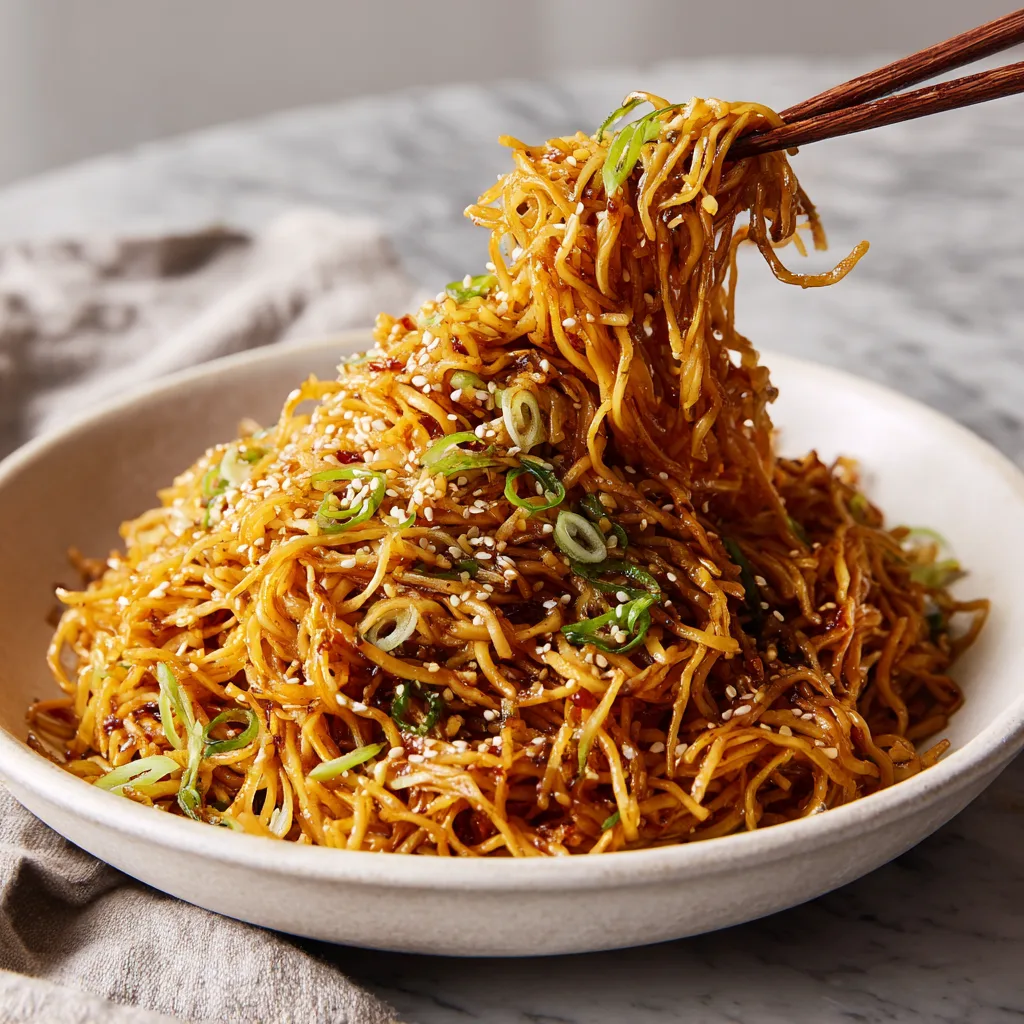
There is a specific kind of magic that happens when you open a container of takeout chow mein. The steam rises, carrying the savory scent of soy sauce, garlic, and that elusive smoky aroma known as “wok hei.” It is comfort food in its purest form—salty, slightly sweet, and packed with slippery noodles that have just the right amount of chew. But what if I told you that the best version of this dish doesn’t come in a cardboard box? What if the most flavorful, fresh, and satisfying chow mein is the one you can make in your own kitchen in less than 20 minutes?
This “Better Than Takeout Chow Mein” recipe is not just a copycat; it is an upgrade. By making this at home, you control the quality of the oil, the freshness of the vegetables, and the balance of the sauce. Gone are the days of greasy, limp noodles that have been sitting under a heat lamp. Instead, you get vibrant, bouncy noodles tossed in a savory glaze that clings to every strand, punctuated by the crunch of fresh bean sprouts and the bite of scallions.
The Secret to the Perfect Sauce
The soul of any great chow mein lies in its sauce. Many home cooks make the mistake of using just regular soy sauce, which results in a one-dimensional salty flavor. To achieve that deep, complex restaurant profile, you need a synergy of three key ingredients: light soy sauce, dark soy sauce, and oyster sauce.
Light soy sauce provides the primary salty seasoning and savory umami notes. It is thinner and lighter in color but packs a punch in flavor. Dark soy sauce, on the other hand, is thicker, slightly sweeter, and less salty. Its primary job is to provide that gorgeous, rich caramel color that makes the noodles look so appetizing. Without it, your chow mein will look pale and lackluster. Finally, oyster sauce adds a glossy sheen and a distinct, savory depth that ties everything together. A touch of sugar balances the sodium, and a drizzle of toasted sesame oil at the very end adds a nutty aroma that is unmistakably authentic.
Choosing the Right Noodles
The second pillar of success is the noodle itself. For this recipe, you want to use fresh Chinese egg noodles if you can find them. These can usually be found in the refrigerated section of Asian grocery stores. They have a firm bite and a lovely yellow hue. If fresh noodles aren’t available, dried chow mein noodles or even spaghetti can work in a pinch, provided you cook them al dente.
The trick to preventing your noodles from becoming a mushy clump is to par-boil them just until they are cooked through, drain them, and then rinse them under cold water to stop the cooking process. Drizzling a little oil over the drained noodles ensures they stay separate and ready for the hot pan. This preparation step is crucial for achieving that signature texture where each noodle strand is distinct and coated in sauce, rather than fused together.
The Importance of Heat and “Wok Hei”
In professional Chinese kitchens, chefs use high-powered burners that generate immense heat, creating “wok hei” or the “breath of the wok.” This high heat sears the food instantly, imparting a smoky flavor that is hard to replicate on a standard home stove. However, you can get close.
To achieve a similar effect at home, use a large wok or a heavy-bottomed skillet, such as cast iron. Let the pan get smoking hot before you add your oil. Do not overcrowd the pan; if you add too many ingredients at once, the temperature drops, and the food steams instead of searing. If you are cooking for a large family, it is often better to stir-fry in two batches to ensure everything gets that delicious char rather than steaming in its own juices.
Vegetables: The Crunch Factor
While the noodles are the star, the supporting cast of vegetables provides essential texture. The classic takeout combination almost always includes bean sprouts, shredded cabbage, carrots, and green onions. Bean sprouts are particularly important because they release water when cooked, which helps to slightly steam the noodles during the final toss, keeping them moist without making them soggy.
The key to perfect stir-fry vegetables is cutting them uniformly. Julienne your carrots and slice your cabbage thinly so they cook at the same rate as the noodles. You want the vegetables to retain a bit of a “snap”—they should be tender-crisp, not mushy.
Ingredients
- For the Sauce:
- 1.5 tablespoons light soy sauce
- 1 tablespoon dark soy sauce
- 1 tablespoon oyster sauce
- 1 teaspoon granulated sugar
- 1 teaspoon sesame oil
- 1/4 teaspoon white pepper
- For the Stir Fry:
- 10 oz (approx. 300g) fresh egg noodles or dried chow mein noodles
- 2 tablespoons vegetable oil or neutral cooking oil
- 2 cloves garlic, minced
- 1 cup fresh bean sprouts, rinsed and drained
- 2 stalks green onions (scallions), cut into 2-inch pieces
- 1/2 cup shredded cabbage or bok choy (optional)
- 1/2 cup julienned carrots (optional)
- Protein of choice (optional): 1 cup sliced chicken, shrimp, beef, or tofu
Instructions
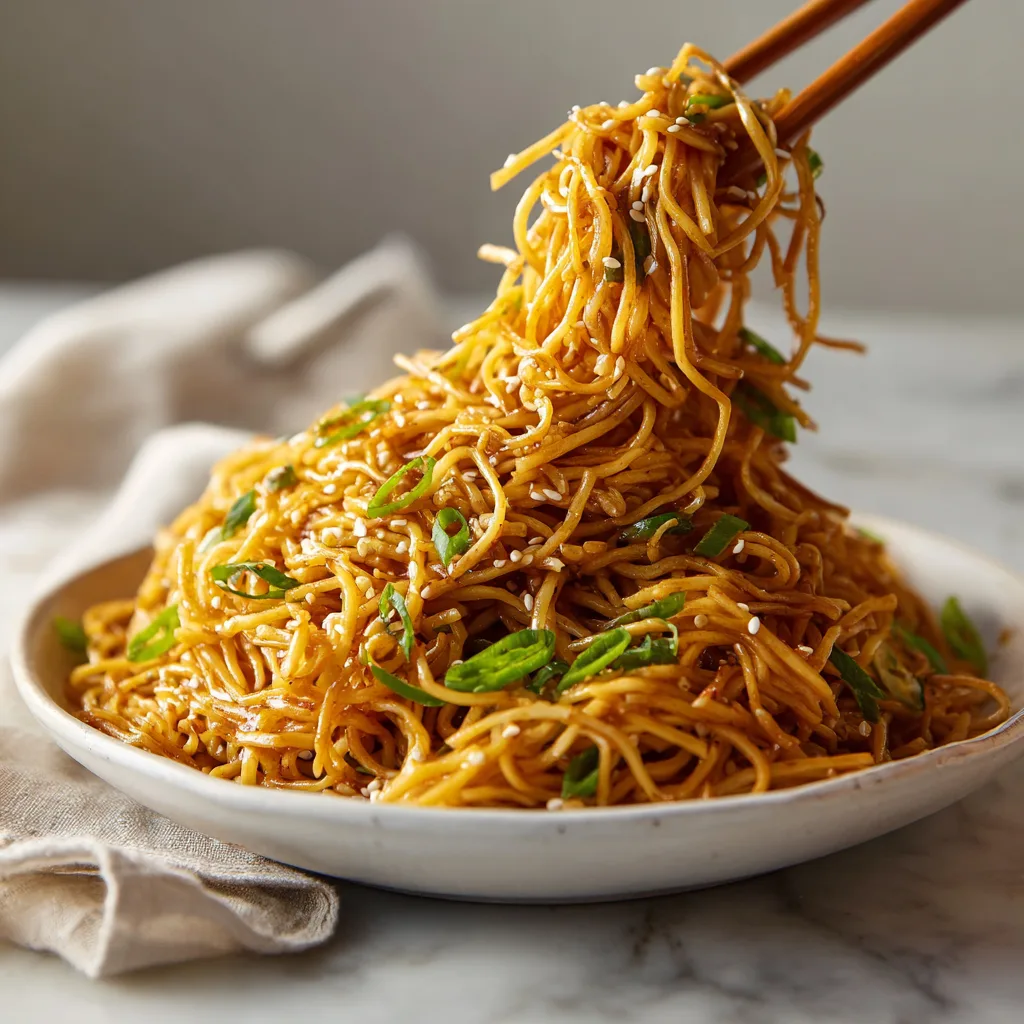
- Prepare the Sauce: In a small bowl, whisk together the light soy sauce, dark soy sauce, oyster sauce, sugar, sesame oil, and white pepper. Set this aside. Having your sauce ready before you turn on the heat is critical for stir-frying.
- Cook the Noodles: Bring a large pot of water to a boil. Add the noodles and cook according to the package instructions (usually 1-3 minutes for fresh noodles, longer for dried). Drain immediately and rinse thoroughly with cold water to stop the cooking and remove excess starch. Toss with a teaspoon of oil to prevent sticking.
- Sear the Protein (If using): Heat a wok or large skillet over high heat. Add 1 tablespoon of oil. If adding meat or tofu, sear it now until cooked through. Remove the protein from the pan and set aside.
- Aromatics and Veggies: Wipe the wok clean if necessary and add another tablespoon of oil over high heat. Add the minced garlic and sauté for 10 seconds until fragrant (be careful not to burn it). Add the cabbage and carrots (if using) and stir-fry for 1-2 minutes until slightly softened but still crisp.
- Combine: Add the prepared noodles to the pan. Pour the sauce mixture evenly over the noodles.
- The Toss: Using tongs or chopsticks, toss the noodles vigorously for 1-2 minutes. You want the sauce to coat every strand and the noodles to heat through. If the pan is hot enough, you might see a little smoke—that’s good!
- Final Touches: Add the bean sprouts, green onions, and the cooked protein (if using) back into the pan. Toss for another 30-60 seconds. The bean sprouts should remain crunchy.
- Serve: Remove from heat immediately and serve hot.
Tips for Success
- Prep is King: Stir-frying happens fast. Once the heat is on, you won’t have time to chop veggies or measure sauce. Mise en place (having everything in place) is mandatory.
- Don’t Drown the Noodles: It might be tempting to add more sauce, but authentic chow mein shouldn’t be swimming in liquid. The sauce should be a glaze, not a soup.
- The Right Pan: A carbon steel wok is traditional and responds quickly to heat changes, but a large non-stick skillet works perfectly fine for this recipe. Just make sure it is wide enough to toss the ingredients freely.
- Vegetarian/Vegan Options: To make this recipe vegan, swap the oyster sauce for a vegetarian mushroom stir-fry sauce. It mimics the texture and umami flavor perfectly.
Variations to Try
- Spicy Chow Mein: If you love heat, add a teaspoon of chili oil or chili garlic sauce (Sambal Oelek) to your sauce mixture. You can also toss in some dried red chili flakes with the garlic.
- Seafood Delight: Shrimp and squid make excellent additions. Just ensure you cook them quickly so they don’t become rubbery.
- Lo Mein vs. Chow Mein: While often used interchangeably in the West, Lo Mein typically uses softer, thicker noodles that are tossed and braised in more sauce, while Chow Mein focuses on stir-frying the noodles until they are slightly crisp. This recipe leans towards the Chow Mein style with a focus on the stir-fry technique.
- Leftover Magic: This recipe is a fantastic way to clean out the fridge. Leftover rotisserie chicken, half a bell pepper, or a handful of snow peas can all be tossed in.
Storing and Reheating
Leftover chow mein stores surprisingly well. Keep it in an airtight container in the refrigerator for up to 3 days. When reheating, avoid the microwave if possible, as it can make the noodles rubbery. Instead, reheat them in a skillet over medium heat with a splash of water to steam them back to life and loosen up the sauce.
Why You Will Love This Recipe
There is a sense of accomplishment that comes with mastering a takeout favorite. It is healthier, faster, and infinitely more customizable. You can control the salt levels, load up on extra veggies for nutrition, or make it purely about the noodles if that is what you are craving. Once you have the basic sauce ratio down—light soy, dark soy, oyster sauce—you have the key to unlocking dozens of other Chinese stir-fry dishes. Whether it is a busy weeknight dinner or a lazy weekend lunch, this Better Than Takeout Chow Mein is guaranteed to satisfy those savory cravings without the delivery fee.
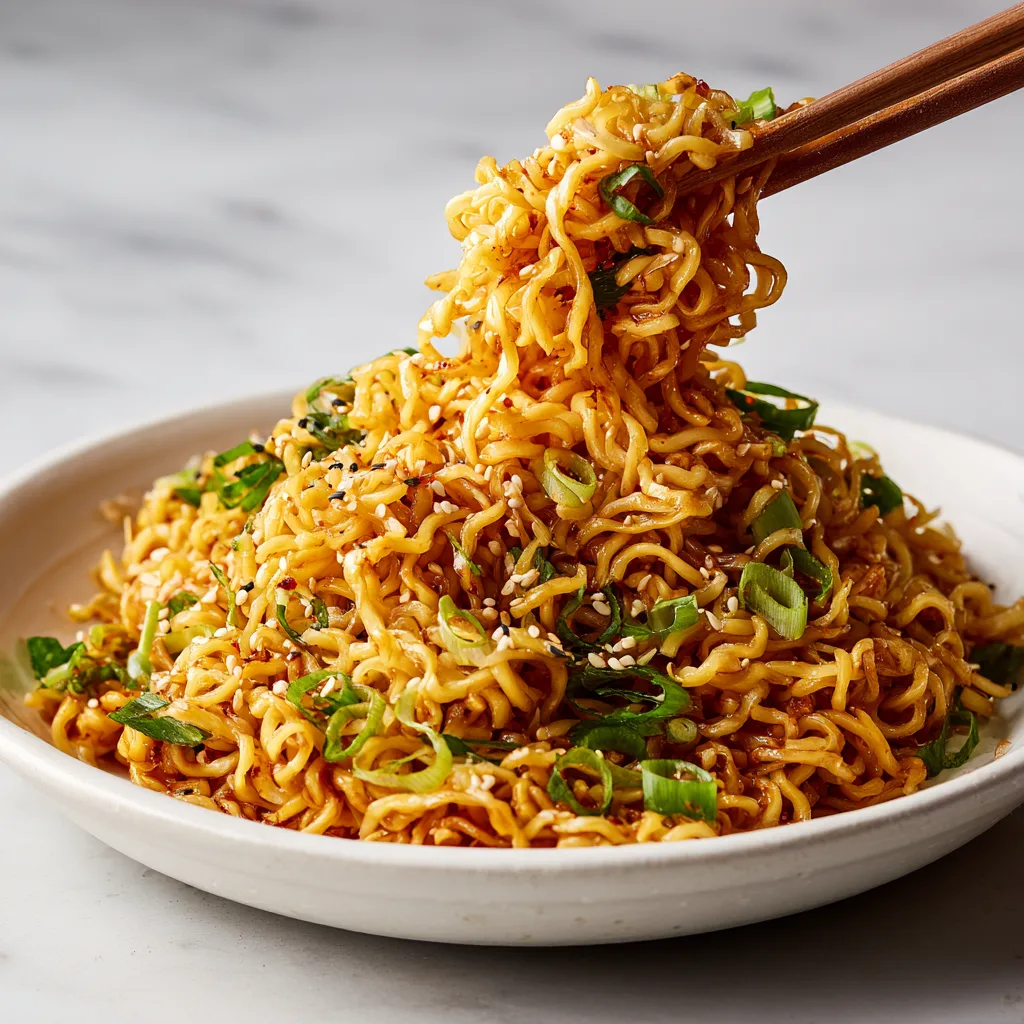
Better Than Takeout Chow Mein
A quick, savory, and authentic stir-fried noodle dish packed with vegetables and a rich soy-based sauce. Ready in 20 minutes.
Ingredients
Equipment
Method
- Whisk together light soy sauce, dark soy sauce, oyster sauce, sugar, sesame oil, and white pepper in a small bowl. Set aside.
- Boil noodles according to package instructions (usually 1-3 minutes). Drain, rinse with cold water, and toss with a teaspoon of oil to prevent sticking.
- If using protein, heat 1 tbsp oil in a wok over high heat and sear meat until cooked. Remove and set aside.
- Heat remaining oil in the wok. Sauté minced garlic for 10 seconds until fragrant.
- Add cabbage (if using) and stir-fry for 1-2 minutes until slightly softened.
- Add the prepared noodles to the wok and pour the sauce mixture over them.
- Toss vigorously for 1-2 minutes to coat noodles and heat through.
- Add bean sprouts, green onions, and cooked protein. Toss for another 30-60 seconds.
- Serve immediately while hot.
Notes
For a vegetarian version, substitute oyster sauce with vegetarian mushroom stir-fry sauce.
Cultural Context: The Evolution of Chow Mein
“Chow Mein” literally translates to “stir-fried noodles” (chǎo miàn). Originating from Northern China, where wheat is the staple crop, the dish has traveled the globe, adapting to local palates everywhere from India to the Caribbean to the United States. In the US, it split into two distinct styles: the crispy, deep-fried noodle nests of the mid-20th century and the softer, stir-fried version that is more akin to the original. This recipe honors the traditional stir-fry method, focusing on fresh ingredients and the harmony of flavors that defines Cantonese-style cooking. It is a testament to the versatility of the humble noodle and its ability to bring comfort to people all over the world.
Enjoy the process of cooking this dish. Listen to the sizzle of the wok, smell the caramelizing soy sauce, and enjoy a bowl of noodles that truly tastes better than takeout.