Follow Me On Social Media!
The Ultimate Guide to Cozy Grilled Chicken Yakitori

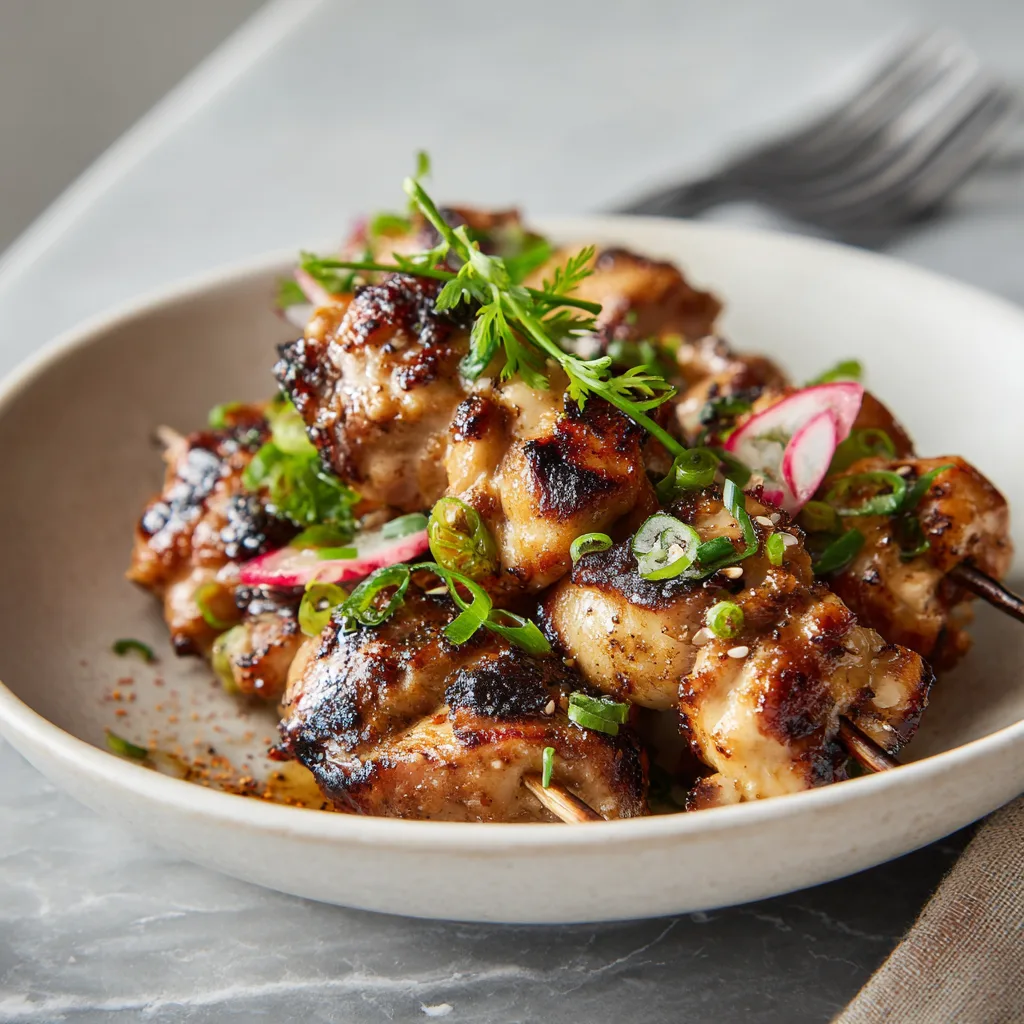
There is something undeniably magical about the aroma of meat sizzling over an open flame, especially when it is basted in a rich, sweet, and savory glaze that caramelizes perfectly on the edges. That is the experience of making cozy grilled chicken yakitori right in your own backyard or kitchen. Whether you are hosting a summer barbecue, looking for a unique weeknight dinner, or simply craving the authentic flavors of Japanese street food, this recipe is designed to bring that bustling, smoky izakaya atmosphere straight to your dining table.
Yakitori is more than just a dish; it is an experience. The careful threading of the meat, the mindful turning of the skewers over the heat, and the sequential layering of the glaze all contribute to a deeply satisfying cooking process. In this comprehensive guide, we will dive deep into everything you need to know to master the art of homemade chicken yakitori, from selecting the right cuts of meat to perfecting the legendary “tare” (the basting sauce), and achieving that beautiful, glossy finish that makes the chicken absolutely irresistible.
What Exactly is Yakitori?
To truly appreciate this cozy grilled chicken yakitori, it helps to understand its origins. In Japanese, the word “yakitori” translates quite literally: “yaki” means grilled or cooked over direct heat, and “tori” refers to a bird, specifically chicken. While in Western cultures we might group all skewered meats under the umbrella of kebabs or skewers, yakitori is a specialized culinary art form in Japan.
Historically, yakitori began as a humble street food, a way to utilize every part of the chicken so nothing went to waste. Today, it remains a beloved staple in Japanese cuisine, commonly found at specialized yakitori-ya (yakitori restaurants) and izakayas (informal Japanese pubs). It is the ultimate comfort food, deeply intertwined with the culture of unwinding after a long day of work, usually accompanied by an ice-cold beer or a crisp glass of sake.
There are two primary ways yakitori is seasoned: “shio” (simply seasoned with salt) or “tare” (basted in a sweet and savory soy-based glaze). For this cozy recipe, we are focusing on the tare method, which provides that gorgeous, sticky, mahogany coating that makes the chicken profoundly flavorful and beautifully photogenic.
Why You Will Fall in Love with This Recipe
Creating restaurant-quality yakitori at home might sound intimidating, but it is actually remarkably straightforward once you understand the basic mechanics. Here is why this cozy grilled chicken yakitori will quickly become a staple in your recipe rotation:
Firstly, it requires minimal ingredients. The magic relies on pantry staples you likely already have or can easily find in the international aisle of your local grocery store. Soy sauce, mirin, sake, and sugar are the foundational pillars of the sauce. Secondly, it is incredibly fast. Once your chicken is prepped and your sauce is reduced, the actual grilling time is less than fifteen minutes. This makes it an incredibly viable option for busy weeknights when you want something that feels special without the hours of labor. Finally, it is highly customizable and fun to eat. Food on a stick inherently brings a sense of joy and casual comfort to a meal. It encourages sharing, eating with your hands, and gathering around the table or the grill.
The Secret is in the Tare (The Glaze)
The soul of this dish lives in its sauce. A traditional yakitori tare is a masterclass in balancing flavors. It is salty from the soy sauce, sweet from the sugar, and possesses a deep, complex umami flavor brought out by the mirin (sweet cooking rice wine) and sake (Japanese rice wine).
When making your tare, patience is key. You will combine these liquid ingredients with aromatics like fresh garlic and ginger, and then simmer the mixture until it reduces. The goal is to cook off the alcohol and allow the sugars to concentrate and thicken the sauce. You want it to be thick enough to cling to the chicken, creating a lacquered effect as it hits the hot grill, rather than just dripping off into the flames.
Many traditional yakitori chefs keep a master pot of tare going for years, dipping cooked chicken into it daily, which imparts the grilled, smoky chicken flavor back into the sauce, creating a complex, continuously evolving flavor profile. While we won’t be keeping a pot for decades, we mimic this depth by generously basting the chicken multiple times during the cooking process.
Selecting the Right Chicken
While you can technically make yakitori with chicken breast, the undisputed champion for this recipe is boneless, skinless chicken thighs. Chicken thighs have a higher fat content, which serves two crucial purposes when grilling. First, it ensures the meat remains incredibly juicy and tender even over the high heat necessary for grilling. Second, as the fat renders over the heat, it creates flare-ups that kiss the meat with that signature smoky, charred flavor that defines authentic yakitori.
If you prefer leaving the skin on, you are in for a treat. Chicken skin crisps up beautifully on the grill and acts as a sponge for the sweet and savory tare. Just be mindful of extra flare-ups from the rendering fat if you choose the skin-on route.
Ingredients You Will Need
To bring this cozy grilled chicken yakitori to life, gather the following ingredients:
- 1.5 lbs boneless, skinless chicken thighs, cut into bite-sized pieces
- 1 bunch of scallions (green onions), cut into 1-inch pieces
- 1/2 cup high-quality soy sauce
- 1/2 cup mirin (Japanese sweet cooking wine)
- 1/4 cup sake (Japanese rice wine)
- 1/4 cup granulated sugar or packed brown sugar
- 2 cloves of garlic, smashed
- 1-inch piece of fresh ginger, sliced
- 1 tablespoon cooking oil (like canola or vegetable oil) for the grill
- Bamboo skewers (soaked in water for at least 30 minutes prior to grilling)
Step-by-Step Instructions
- Prepare the Skewers: Begin by submerging your bamboo skewers in cold water. Let them soak for at least 30 minutes. This crucial step prevents the wood from burning and splintering when exposed to the high heat of the grill.
- Make the Tare (Glaze): In a small saucepan, combine the soy sauce, mirin, sake, sugar, smashed garlic, and sliced ginger. Bring the mixture to a gentle boil over medium-high heat. Once boiling, reduce the heat to low and let it simmer uncovered for about 10 to 15 minutes. The sauce should reduce by about a third and become slightly syrupy. Remove from heat, discard the garlic and ginger pieces, and let the sauce cool slightly. Divide the sauce into two bowls: one for basting raw chicken on the grill, and one for a final drizzle over the cooked dish (to prevent cross-contamination).
- Prepare the Chicken: While the sauce is simmering, take your chicken thighs and cut them into uniform, 1-inch bite-sized cubes. Consistency in size ensures that all the pieces cook evenly on the skewer.
- Thread the Skewers: Alternate threading pieces of chicken and pieces of scallion onto the soaked bamboo skewers. A standard pattern is chicken, scallion, chicken, scallion, chicken. Ensure the meat is packed relatively tightly to keep the juices locked in, but don’t overcrowd the skewer so much that the heat can’t penetrate the center.
- Preheat the Grill: Heat your outdoor grill or an indoor cast-iron grill pan to medium-high heat. Lightly oil the grates using a paper towel dipped in cooking oil held by tongs to prevent the chicken from sticking.
- The First Grill: Place the skewers on the hot grill. Let them cook undisturbed for about 3 to 4 minutes until they develop nice grill marks and easily release from the grates. Flip the skewers and cook for another 3 minutes.
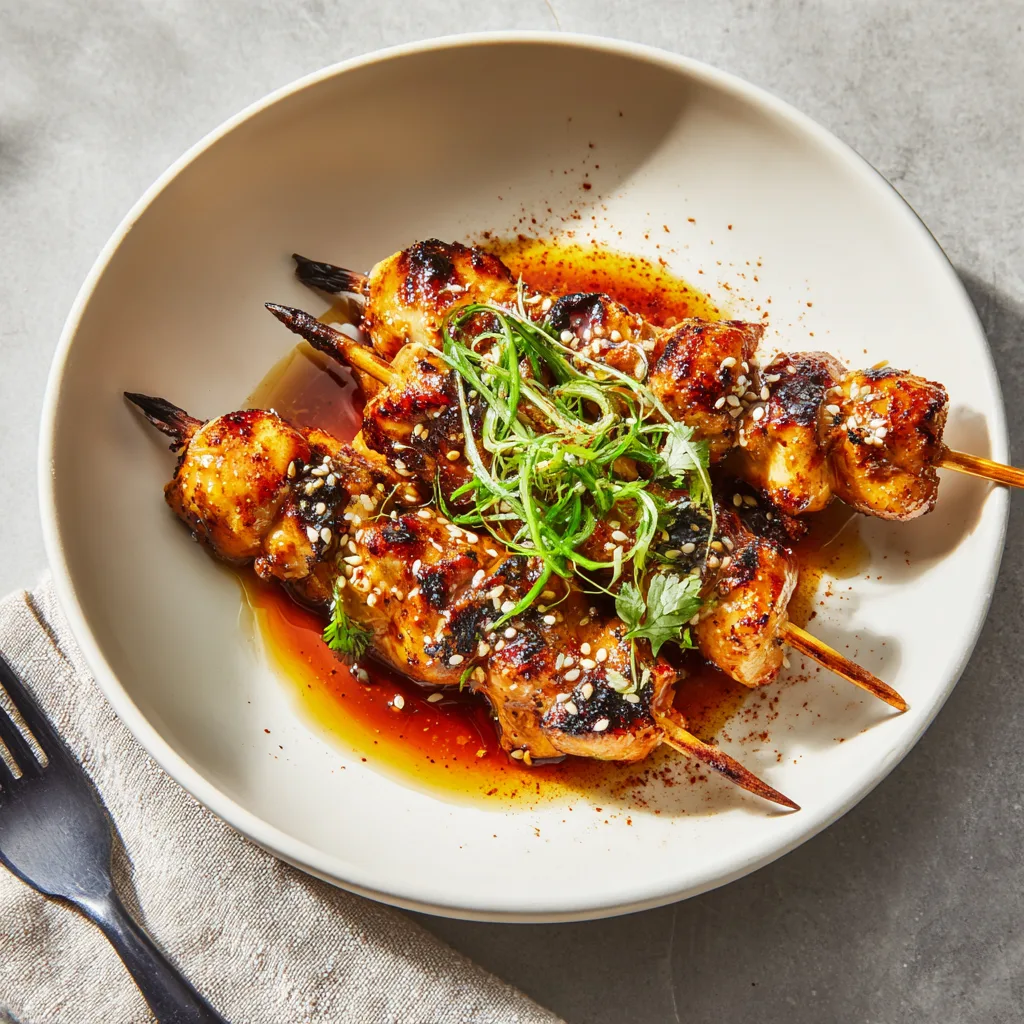
- Baste and Caramelize: Once the chicken is mostly cooked through and opaque, it is time to build the lacquer. Generously brush the chicken on all sides with the basting tare. Continue to turn and baste the skewers every minute or two. The sugars in the sauce will begin to caramelize and bubble rapidly. Watch them closely so they become beautifully charred and sticky, rather than burnt.
- Rest and Serve: Once the chicken reaches an internal temperature of 165°F (74°C) and the outside is gorgeously glossy and slightly charred, remove the skewers from the grill. Let them rest for just a couple of minutes, then serve hot with the reserved, uncontaminated sauce for dipping or drizzling.
Expert Tips for Grilling Perfection
To ensure your cozy grilled chicken yakitori turns out flawlessly every single time, keep these expert tips in your back pocket:
Soaking is Non-Negotiable: Never skip soaking the bamboo skewers. Dry skewers will catch fire almost instantly over an open flame, ruining the presentation and potentially dropping your precious chicken into the coals. Manage Your Heat: You want a hot grill to get a good sear, but if it is too hot, the sugars in the tare will burn into a bitter crust before the chicken is cooked through. If using a charcoal grill, set up a two-zone fire so you can move the skewers to a cooler side if they are browning too quickly. The Double Dip: For the most intense flavor, apply the sauce multiple times. Baste, flip, let it caramelize, and baste again. This builds layers of flavor that a single brush just cannot achieve. Clean Grates: Always start with clean, well-oiled grates. The tare is sticky by nature; if your grates are dirty, your beautiful chicken will tear when you try to flip it.
Variations and Creative Substitutions
While chicken and scallions (known as Negima) is one of the most classic yakitori combinations, the beauty of this technique is its versatility. Once you have the tare mastered, you can apply it to a wide variety of ingredients:
Tsukune (Chicken Meatballs): Ground chicken mixed with finely minced ginger, garlic, panko breadcrumbs, and egg, formed into small oblong meatballs and skewered. These act like sponges for the delicious tare. Vegetarian Options: Try skewering firm tofu, whole shiitake mushrooms, cherry tomatoes, or shishito peppers. They all grill beautifully and take on the sweet and savory glaze perfectly. Different Cuts: If you want to explore traditional Japanese textures, try skewering chicken hearts, livers, or crispy chicken skin (kawa). Spice it Up: If you love a kick of heat, sprinkle the finished skewers with Shichimi Togarashi, a traditional Japanese seven-spice blend that includes chili flakes, sesame seeds, and orange peel.
Serving Suggestions for a Complete Meal
Cozy grilled chicken yakitori is spectacular on its own as an appetizer or party snack, but it can easily be elevated into a robust, satisfying main course.
The most traditional and comforting way to serve yakitori is over a steaming bowl of short-grain white rice, creating a “yakitori don” (yakitori rice bowl). The extra tare drizzled over the hot rice is truly one of life’s simple pleasures. To balance the rich, sweet, and savory notes of the chicken, serve crisp, refreshing sides. A simple cabbage salad dressed with a light sesame vinaigrette, steamed edamame sprinkled with flaky sea salt, or a quick cucumber sunomono (pickled cucumber salad) are excellent accompaniments. For beverages, nothing pairs quite as well with the smoky, salty flavors of yakitori as an ice-cold, crisp lager. If you prefer wine, a dry, slightly chilled sake or a bright, acidic white wine like a Sauvignon Blanc cuts through the richness beautifully.
Storage and Reheating Instructions
If you happen to have leftovers, they store wonderfully, making them a great option for meal prep. Remove the chicken and scallions from the skewers and store them in an airtight container in the refrigerator for up to 3 to 4 days.
To reheat, the goal is to warm the chicken without drying it out. The microwave works in a pinch (heat in 30-second intervals), but the best method is to place the chicken in a skillet over medium-low heat with a tiny splash of water or leftover tare, covering it with a lid until warmed through. This steam-heats the chicken and brings the sticky glaze back to life.
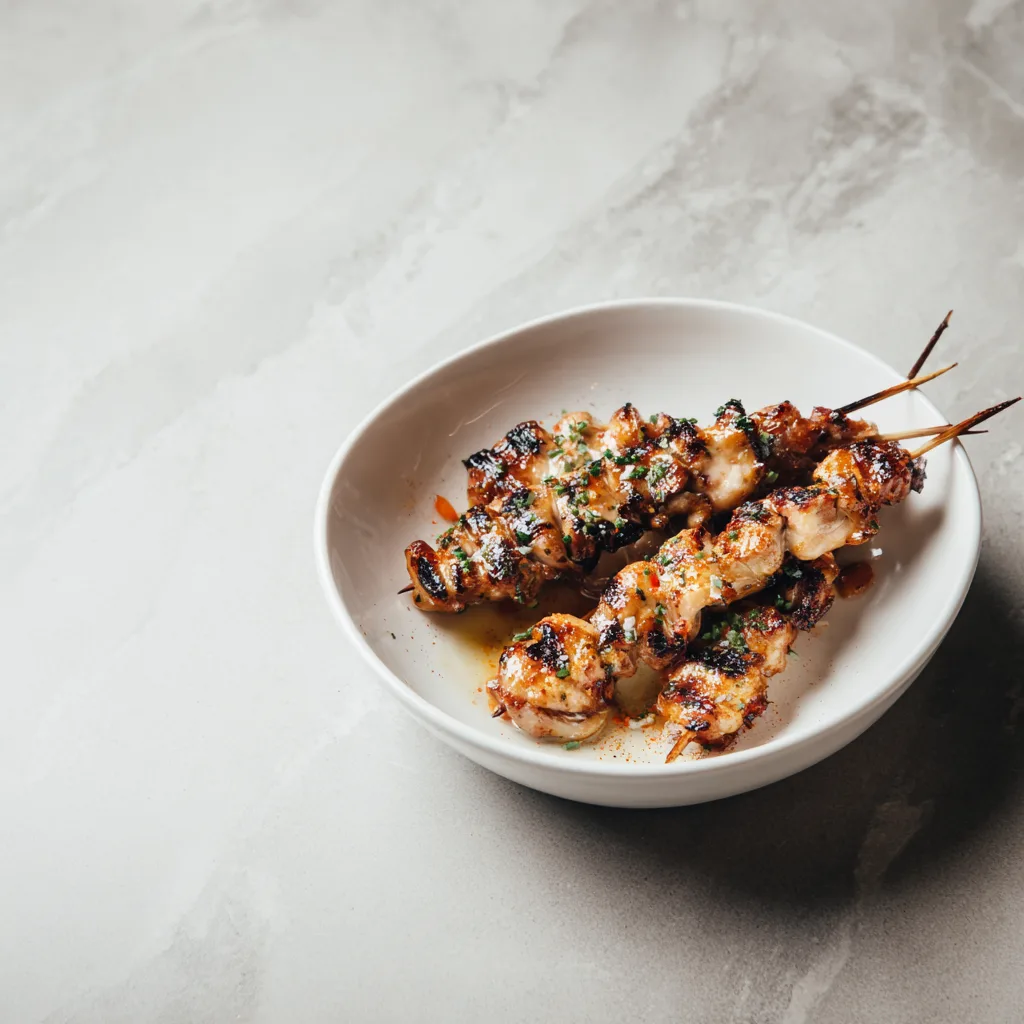
Cozy Grilled Chicken Yakitori
Juicy, tender chicken thighs and fresh scallions grilled on skewers and generously basted in a sweet, savory, and sticky homemade Japanese soy glaze.
Ingredients
Equipment
Method
- Soak bamboo skewers in cold water for at least 30 minutes to prevent burning.
- In a small saucepan, combine soy sauce, mirin, sake, sugar, smashed garlic, and sliced ginger. Bring to a gentle boil over medium-high heat.
- Reduce heat to low and simmer uncovered for 10-15 minutes until the sauce reduces by a third and slightly thickens. Discard garlic and ginger. Divide sauce into two bowls (one for basting, one for serving).
- Thread the chicken pieces and scallion pieces alternately onto the soaked bamboo skewers.
- Preheat an outdoor grill or indoor grill pan to medium-high heat. Lightly oil the grates.
- Place skewers on the grill and cook for 3-4 minutes until grill marks appear. Flip and cook for another 3 minutes.
- Generously brush the chicken with the basting tare. Continue to turn and baste every minute until the chicken is cooked through (165°F/74°C) and the glaze is deeply caramelized and sticky.
- Remove from heat, let rest for 2 minutes, and serve hot with the reserved clean sauce for drizzling.
Notes
Do not skip soaking the skewers. If using a charcoal grill, manage flare-ups by moving skewers to a cooler zone if the glaze begins to burn instead of caramelize.
Conclusion
Creating this cozy grilled chicken yakitori at home is a rewarding culinary endeavor that brings massive flavor to the table with relatively little effort. It is a recipe that invites participation, whether you are teaching kids how to safely thread the skewers or having friends gather around the grill with a drink in hand while you manage the basting.
By taking the time to slowly reduce your tare to the perfect syrupy consistency and using the right cuts of meat, you can capture the authentic, smoky, caramelized essence of a Japanese izakaya right in your own backyard. Fire up the grill, soak those skewers, and get ready to enjoy one of the most comforting and flavor-packed chicken dishes you will ever make.