Follow Me On Social Media!
The Ultimate Spicy Dragon Chicken: A Crispy, Sweet, and Fiery Indo-Chinese Classic

If there is one dish that perfectly captures the magic of Indo-Chinese cuisine, it is Spicy Dragon Chicken. Imagine biting into a piece of chicken that is impossibly crispy on the outside, tender and juicy on the inside, and coated in a glossy, vibrant red sauce that hits every single taste bud at once. It’s spicy, it’s sweet, it’s savory, and it has a nutty crunch that makes it absolutely addictive.
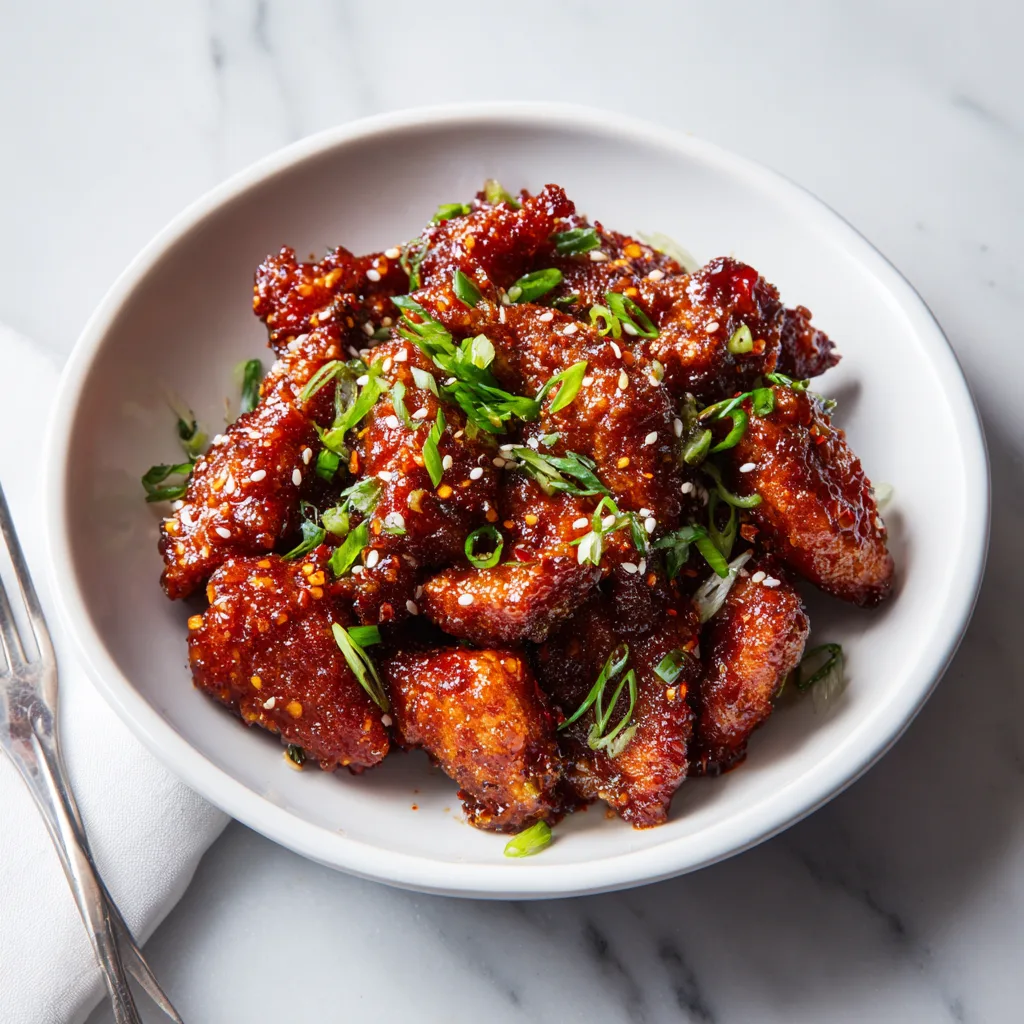
While takeout is convenient, making this dish at home changes the game entirely. You control the quality of the oil, the level of heat, and the freshness of the ingredients. The result is a restaurant-quality meal that comes together in about 30 minutes, right in your own kitchen. Whether you are hosting a dinner party, looking for a Friday night treat, or simply craving something with a bold flavor profile, this Spicy Dragon Chicken recipe is your answer.
In this comprehensive guide, we will walk through everything you need to know to master this dish—from selecting the right cut of meat to the double-frying technique that ensures your chicken stays crispy even after it hits the sauce.
What is Dragon Chicken?
Dragon Chicken is a staple of Indo-Chinese cuisine, a culinary fusion that originated in Kolkata, India, where Chinese immigrants adapted their traditional cooking techniques to suit local tastes using Indian spices and vegetables. Unlike traditional Chinese stir-frys which might be milder, Dragon Chicken is characterized by its bold red color (often achieved with chili paste or Kashmiri chili powder), the use of cashew nuts for texture, and a sauce that balances high heat with a touch of sweetness.
It shares similarities with Chilli Chicken or Manchurian, but stands apart due to its distinctively long, thin strips of chicken (resembling “dragon” tails) and the specific combination of chili paste and ketchup that gives it that signature tangy kick.
Ingredients Checklist
To get that authentic flavor, you need the right lineup of ingredients. Here is what you will need:
- Chicken: Boneless, skinless chicken breast or thighs cut into thin strips. Thighs are more forgiving and stay juicier, but breast works perfectly if not overcooked.
- The Marinade: A mix of dark soy sauce, egg white, all-purpose flour, cornstarch, ginger-garlic paste, and black pepper. The cornstarch is crucial for that light, shatteringly crisp crust.
- The Aromatics: Finely chopped ginger, garlic, and dried red chilies. These form the flavor base of the sauce.
- The Vegetables: Red onion and bell peppers (capsicum), sliced into strips to match the chicken.
- The Sauce: A blend of chili paste (Sambal Oelek or similar), tomato ketchup, soy sauce, vinegar, and a pinch of sugar.
- The Crunch: Roasted cashew nuts. These are non-negotiable for an authentic Dragon Chicken experience.
- Garnish: Spring onions (scallions) and white sesame seeds.
- Oil: A neutral oil with a high smoke point, such as vegetable, canola, or peanut oil, for deep frying.
Instructions: The Step-by-Step Method
1. Marinate the Chicken The first step is building flavor into the meat itself. In a mixing bowl, combine your chicken strips with soy sauce, ginger-garlic paste, salt, and pepper. Let this sit for 10-15 minutes. Just before frying, mix in the egg white, flour, and cornstarch. Pro Tip: If the batter feels too dry, add a splash of water; if it’s too runny, add a teaspoon more cornstarch. You want a coating that clings to the chicken, not a heavy batter.
2. The First Fry Heat your oil to 350°F (175°C). Drop the chicken strips in one by one to prevent them from clumping together. Fry them in batches until they are cooked through and pale golden. Do not overcrowd the pan, or the oil temperature will drop, leading to greasy chicken. Remove them and drain on a wire rack or paper towel.
3. The Double Fry (The Secret to crispiness) This is the restaurant secret. Crank the heat up so the oil reaches 375°F (190°C). Flash fry the chicken strips a second time for just 1–2 minutes until they are a deep golden brown and ultra-crispy. This step ensures the chicken stays crunchy even after being tossed in the sauce.
4. Make the Sauce In a wok or large skillet, heat a tablespoon of oil over high heat. Add the dried red chilies and cashew nuts, stir-frying until the cashews are golden. Add the chopped ginger and garlic, sautéing until fragrant but not burnt. Toss in the onions and bell peppers, cooking them for just a minute so they retain their crunch.
5. Combine and Toss Lower the heat slightly and add your sauce components: chili paste, ketchup, soy sauce, vinegar, sugar, and salt. Stir well. If you want a saucier dish, add a little water mixed with cornstarch to create a gravy. Once the sauce is bubbling and glossy, toss in the fried chicken.
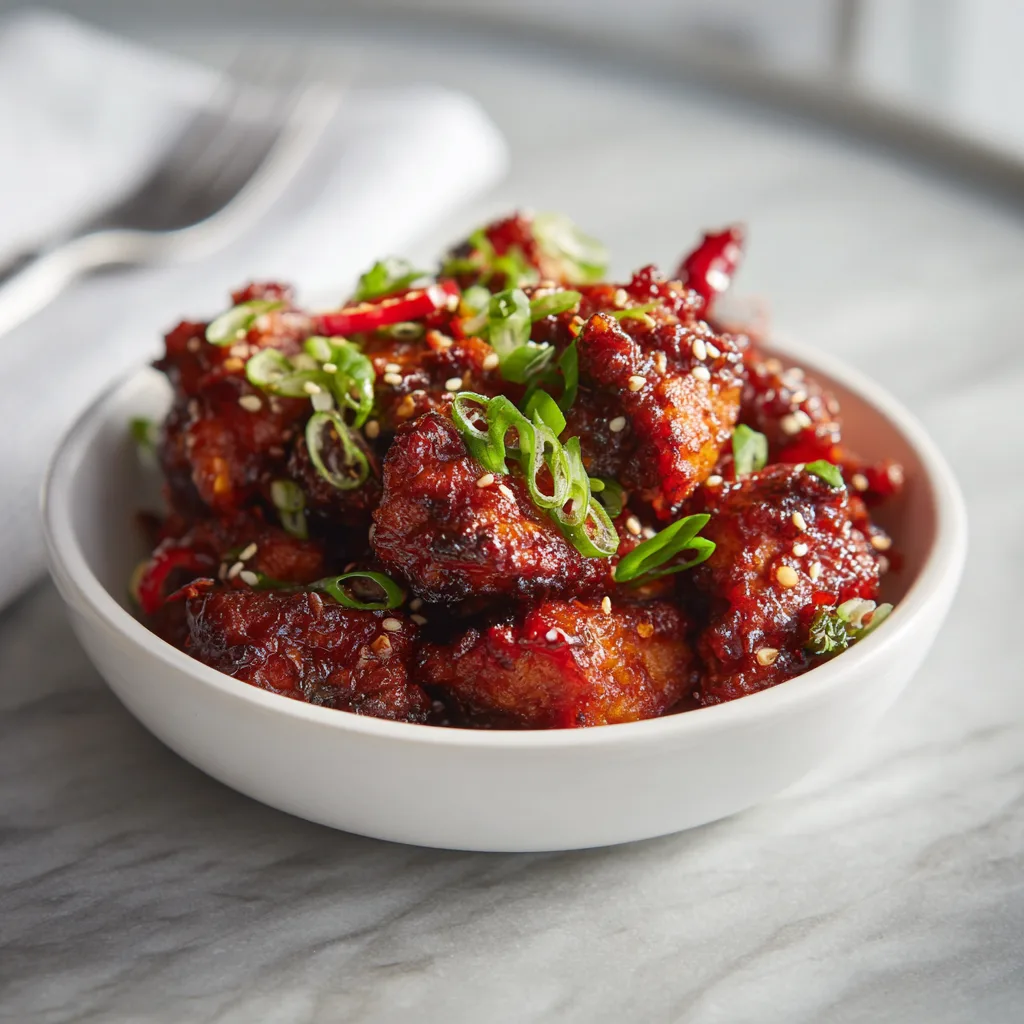
6. Garnish and Serve Toss everything quickly to coat every piece of chicken evenly. Turn off the heat immediately—you don’t want to cook the crispiness out of the chicken. Transfer to a serving dish and garnish generously with chopped spring onions and sesame seeds.
Tips for Success
- Prep is Key: Asian cooking moves fast. Have all your vegetables chopped and sauces measured before you turn on the stove. This concept, known as mise en place, prevents burning your garlic while you scramble to find the soy sauce.
- The Wok Advantage: If you have a carbon steel wok, use it. The high sides and heat distribution allow you to toss the ingredients vigorously, imparting that smoky “wok hei” flavor found in restaurants.
- Adjusting the Heat: This dish is meant to be spicy, but you can control it. For a milder version, reduce the chili paste and remove the seeds from the dried red chilies. For extra heat, add fresh sliced green chilies along with the onions.
- Vegetarian Variation: You can easily swap the chicken for paneer (Indian cottage cheese), firm tofu, or even cauliflower florets (Gobi Dragon). The marination and frying process remains the same.
Fun Facts and Cultural Context
Indo-Chinese cuisine is a fascinating example of culinary evolution. It began in the late 18th century with Hakka Chinese traders settling in Calcutta (now Kolkata). Over generations, they began adapting their food to the Indian palate, which generally favors stronger spices and more robust flavors than traditional Cantonese cooking.
“Dragon Chicken” is a relatively modern invention within this cuisine, named for its fiery red appearance. In many Indian restaurants, it is served as an appetizer (dry version) or a main course (gravy version). This recipe focuses on the dry/semi-dry version, which is perfect for snacking or serving alongside noodles.
Serving Suggestions
Spicy Dragon Chicken is versatile. Here is how to create a full meal around it:
- Classic Combo: Serve over steaming hot Jasmine or Basmati rice. The plain rice balances the intense flavors of the sauce.
- Fried Rice: Pair it with a simple Egg Fried Rice or Vegetable Fried Rice for the ultimate takeout-style dinner.
- Noodles: Hakka Noodles or Chilli Garlic Noodles make for a hearty accompaniment.
- Appetizer: Serve it on its own with toothpicks as a party starter. It pairs wonderfully with cold beverages.
Storage and Reheating
- Storage: Leftovers can be stored in an airtight container in the refrigerator for up to 3 days.
- Reheating: Avoid the microwave if you want to retain any crispiness. Instead, reheat the chicken in an air fryer at 350°F for 3-4 minutes, or in a hot oven for 10 minutes. This will revive the texture better than steaming it in a microwave.
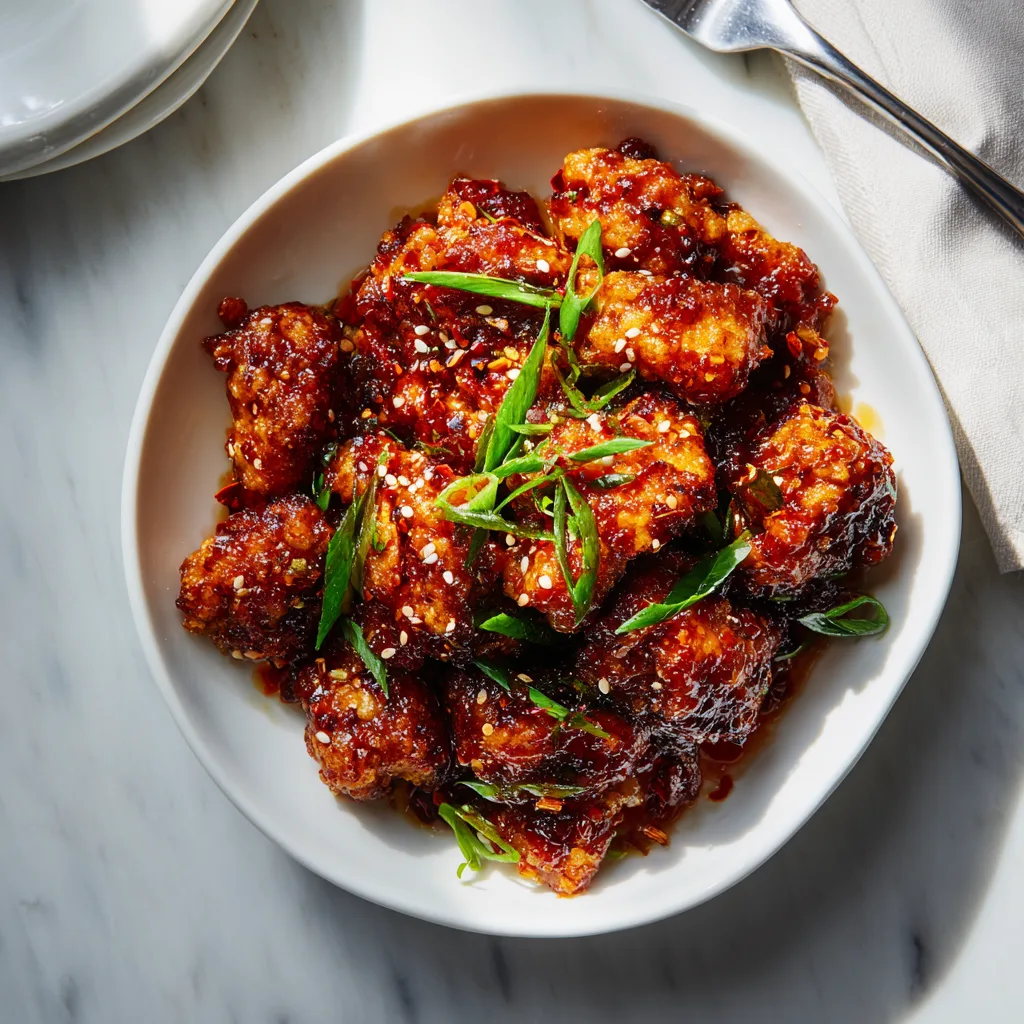
Spicy Dragon Chicken
A crispy, fiery, and sweet Indo-Chinese chicken dish featuring crunchy cashews and a glossy red chili sauce.
Ingredients
Equipment
Method
- In a bowl, mix chicken strips with soy sauce, ginger-garlic paste, salt, and pepper. Let marinate for 10 minutes. Mix in egg white, flour, and cornstarch to coat well.
- Heat oil in a deep pan to 350°F (175°C). Deep fry chicken strips in batches until pale golden and cooked through.
- Increase oil heat to 375°F (190°C). Flash fry the chicken a second time for 1-2 minutes until deep golden brown and super crispy. Drain on a wire rack.
- Heat 2 tbsp oil in a wok over high heat. Add cashews and dried chilies; fry until cashews are golden.
- Add chopped ginger and garlic, sauté for 30 seconds. Add onions and bell peppers, stir-frying for 1 minute to keep them crunchy.
- Stir in chili paste, ketchup, soy sauce, sugar, and a pinch of salt. Cook for 1 minute until sauce bubbles.
- Toss the fried chicken into the wok, ensuring every piece is coated in the sauce. Turn off heat immediately.
- Garnish with spring onions and sesame seeds. Serve immediately with rice.
Notes
For extra gravy, mix 1 tsp cornstarch with 1/4 cup water and add it to the sauce before tossing in the chicken.
Conclusion
Making Spicy Dragon Chicken at home is a rewarding experience. It creates a symphony of flavors and textures—crunchy, tender, spicy, sweet, and nutty—that is hard to beat. Once you master the double-fry technique and the balance of the sauce, you will find yourself making this recipe again and again. It is faster than delivery, healthier than takeout, and undeniably delicious. So, grab your wok, heat up that oil, and get ready to impress your family with this spectacular Indo-Chinese delight!