Follow Me On Social Media!
The Ultimate Guide to Perfect Chocolate Filled Crêpes: A French Classic at Home

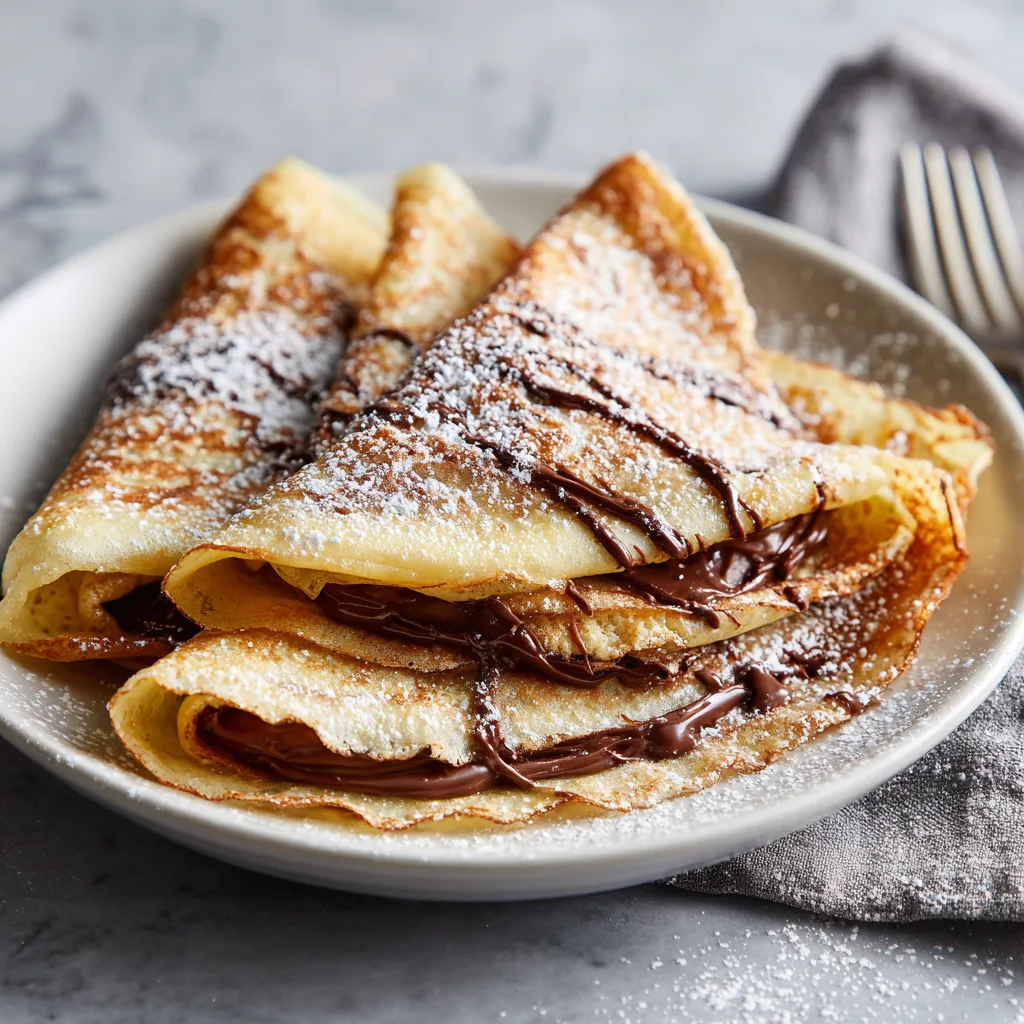
There are few aromas as inviting as the scent of warm vanilla batter hitting a hot buttery pan. It signals the beginning of a breakfast (or dessert) that feels luxurious yet remains incredibly simple to execute. The crêpe, a staple of French cuisine, is a marvel of culinary engineering—transforming humble pantry staples like flour, eggs, and milk into paper-thin, delicate vehicles for flavor. And while a simple dusting of sugar is traditional, nothing screams indulgence quite like the version we are exploring today: Chocolate Filled Crêpes.
In this comprehensive guide, we are going to master the art of the French crêpe. We will move beyond the fear of the “first pancake” (which, yes, is usually a sacrifice to the kitchen gods) and dive deep into the science of batter consistency, the importance of resting time, and the technique for that perfect, lacy edge. Whether you are planning a romantic brunch, a fun weekend activity with the kids, or a late-night treat for yourself, this recipe is your new gold standard.
The Allure of the Crêpe
Crêpes originate from the Brittany region of France, where they were traditionally made with buckwheat flour and served savory (known as galettes). The sweet version, made with wheat flour, became a dessert delicacy that conquered the world. Unlike their American pancake cousins, which rely on leavening agents like baking powder to achieve fluffiness, crêpes are unleavened. They are designed to be thin, pliable, and slightly elastic.
This elasticity is key. A good crêpe needs to roll or fold without cracking. It needs to be tender enough to melt in your mouth but sturdy enough to hold a generous amount of filling—in this case, a rich, velvety chocolate spread.
Why This Recipe Works
Many home cooks find crêpes intimidating. The batter seems too thin, the flip seems too perilous, and the temperature control can be tricky. This recipe addresses all those pain points.
- The Ratio: We use a precise ratio of liquid to flour to ensure the batter flows easily around the pan, creating that signature thinness without tearing.
- The Fat: We incorporate melted butter directly into the batter. This adds flavor, yes, but more importantly, it tenderizes the gluten and prevents the crêpes from sticking to the pan.
- The Resting Time: This is the secret step. Letting the batter rest allows the flour to fully hydrate and the gluten to relax. This results in a crêpe that is tender rather than rubbery.
Choosing Your Chocolate
Since this is a chocolate-filled crêpe, the quality of your filling matters.
- Hazelnut Spreads: The classic choice. The nutty undertones of hazelnut pair beautifully with the vanilla-scented batter.
- Dark Chocolate Ganache: For a more sophisticated, less sugary option, you can melt high-quality dark chocolate with a splash of heavy cream.
- Milk Chocolate Bars: Placing squares of chocolate onto the hot crêpe while it’s still in the pan allows them to melt gently, creating pockets of texture.
Ingredients
Here is everything you need to create this masterpiece.
For the Crêpes:
- 1 ½ cups All-Purpose Flour (spooned and leveled to avoid denseness)
- 3 tablespoons Granulated Sugar (adds a subtle sweetness and aids in browning)
- ½ teaspoon Salt (crucial for balancing the flavors)
- 3 Large Eggs (room temperature helps them emulsify better)
- 1 ½ cups Whole Milk (provides richness)
- ½ cup Water (helps create a lighter, crispier edge)
- 3 tablespoons Unsalted Butter, melted and slightly cooled
- 1 teaspoon Pure Vanilla Extract
For the Filling & Garnish:
- 1 cup Chocolate Hazelnut Spread or Melted Chocolate
- Powdered Sugar (for dusting)
- Additional melted chocolate for drizzling (optional)
Step-by-Step Instructions
1. Create the Batter In a large mixing bowl (or a blender, for the ultra-efficient), combine the flour, granulated sugar, and salt. If using a bowl, make a well in the center. Crack the eggs into the well and pour in the milk, water, vanilla extract, and melted butter.
2. Whisk to Perfection If whisking by hand, start from the center, gradually incorporating the flour from the sides to avoid lumps. Whisk vigorously until the batter is completely smooth. It should have the consistency of heavy cream. If you see tiny lumps, don’t hesitate to pour the batter through a fine-mesh sieve. If using a blender, pulse for 15-20 seconds until combined.
3. The Crucial Rest Cover the bowl with plastic wrap or a clean kitchen towel. Let the batter rest at room temperature for at least 30 minutes. Alternatively, you can refrigerate it overnight (just give it a good whisk before using). This rest removes “rubbery” textures.
4. Preheat the Pan Heat a non-stick skillet or a crêpe pan over medium heat. Even though there is butter in the batter, lightly grease the pan with a little extra butter or oil on a paper towel. You want a sheen, not a pool of oil.
5. Pour and Swirl Lift the pan off the heat. Pour about ¼ cup of batter into the center of the pan. Immediately tilt and swirl the pan in a circular motion so the batter coats the bottom in a thin, even layer. Return to heat.
6. Cook and Flip Cook for about 1–2 minutes. You will look for two signs: the edges will start to look dry and lift slightly from the pan, and the bottom will be a lovely golden brown (lift up the edge to peek). Carefully slide a spatula under the crêpe and flip quickly. Cook the second side for just 30–45 seconds until spotted brown.
7. Stack Slide the cooked crêpe onto a plate. Continue with the remaining batter, stacking the crêpes as you go to keep them warm and pliable. Grease the pan again only if the crêpes start sticking.
8. Fill and Roll Take a warm crêpe and spread a generous tablespoon of chocolate spread down the center or across one half. You can roll it into a cylinder (cigar style) or fold it into quarters (triangle style).
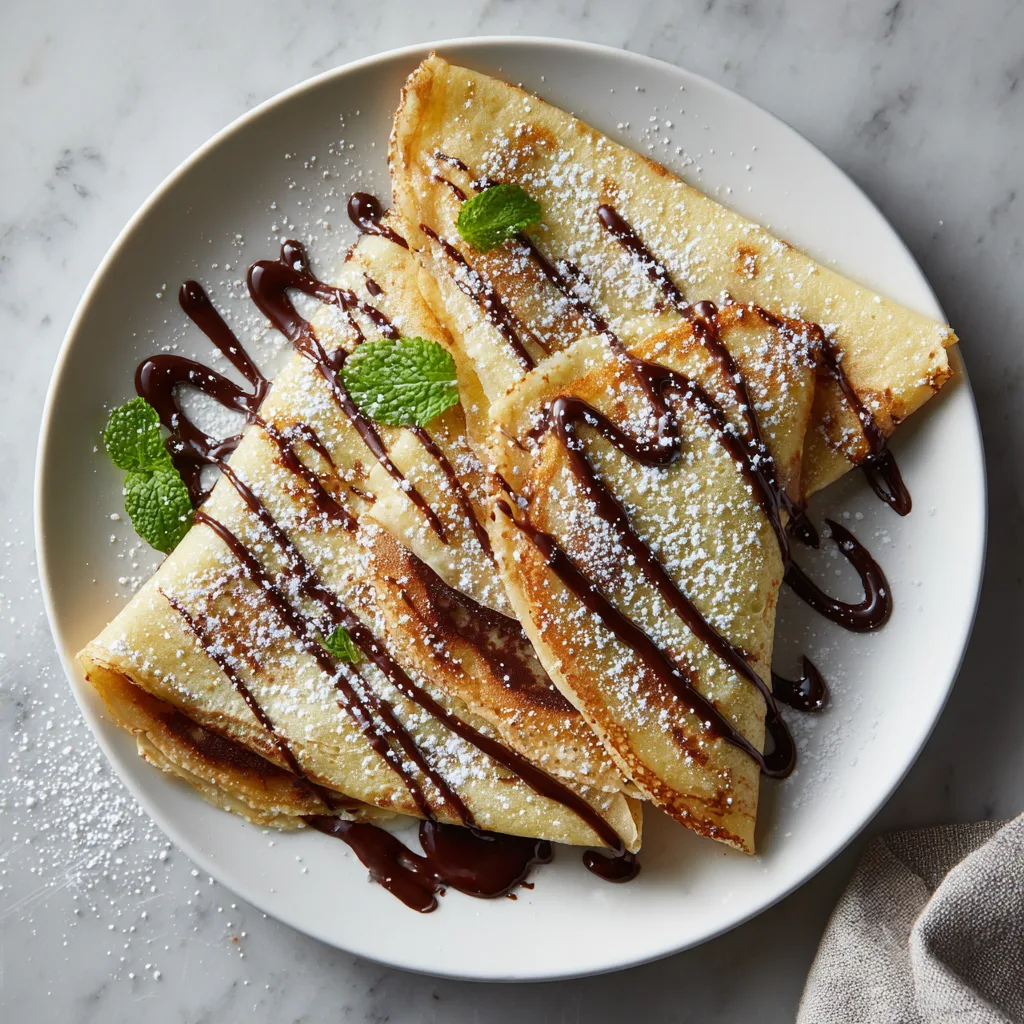
9. Garnish and Serve Arrange the rolled crêpes on a serving platter. Drizzle with extra melted chocolate and dust with powdered sugar. Serve immediately while warm.
Expert Tips for Success
- Temperature Control: If the batter sets before you finish swirling it, your pan is too hot. If it takes forever to brown, it’s too cool. Adjust your burner as needed; the second crêpe is usually better than the first as you dial in the heat.
- Thin it Out: If your batter feels too thick after resting (it should be pourable), whisk in an extra tablespoon of water or milk.
- The Blender Method: Using a blender introduces air bubbles. If you blend, let the batter rest for at least an hour to let the foam subside, otherwise, your crêpes might have a “pockmarked” texture rather than a smooth surface.
Variations to Try
While chocolate is the star here, crêpes are a canvas for creativity.
- Fruit Infusion: Add sliced strawberries or bananas inside the roll with the chocolate. The acidity of the fruit cuts through the richness of the chocolate.
- The “Nutty” Factor: Sprinkle toasted chopped hazelnuts or almonds over the chocolate spread before rolling for a satisfying crunch.
- Adult Twist: Add a tablespoon of Grand Marnier or dark rum to the batter for a sophisticated, aromatic flavor profile.
- Savory Switch: Omit the sugar and vanilla from the batter, and fill with ham, cheese, and spinach for dinner.
Troubleshooting Common Issues
My crêpes are tearing when I flip them. This usually means they haven’t cooked long enough on the first side. Be patient. Wait until the surface loses its “wet” shine and the edges are firm.
The crêpes are rubbery. This is a sign of over-mixing the flour (developing too much gluten) or skipping the resting period. Ensure you rest the batter!
The batter is lumpy. Lumps are the enemy of a thin crêpe. If you whisked by hand and still have flour pockets, straining the batter is the best fix. It takes two minutes and guarantees a silky smooth result.
Serving Suggestions
Chocolate Filled Crêpes are best served fresh off the pan. However, they make a stunning centerpiece for a brunch spread. Pair them with:
- A bowl of fresh berries to cleanse the palate.
- Whipped cream (Chantilly) for dipping.
- A strong espresso or a latte, which complements the chocolate perfectly.
Storing and Reheating
If you manage to have leftovers (unlikely!), stack the plain crêpes with a square of parchment paper between each one to prevent sticking. Wrap tightly in plastic wrap and refrigerate for up to 3 days or freeze for up to 2 months. To reheat, simply microwave for 10-15 seconds or warm briefly in a dry skillet. Do not fill them before storing, as the chocolate will make the crepe soggy over time.
Chocolate Filled Crêpes
Classic French crêpes featuring a delicate, buttery batter rolled around a rich chocolate hazelnut filling. A perfect indulgent breakfast or dessert.
Ingredients
Equipment
Method
- In a large bowl, whisk together flour, sugar, and salt.
- Create a well in the center and add eggs, milk, water, melted butter, and vanilla.
- Whisk gradually from the center outwards until the batter is smooth. Alternatively, blend all ingredients for 20 seconds.
- Cover and let the batter rest at room temperature for 30 minutes to relax the gluten.
- Heat a non-stick skillet over medium heat and lightly grease with butter.
- Pour approx. 1/4 cup of batter into the pan, swirling immediately to coat the bottom evenly.
- Cook for 1-2 minutes until edges lift and bottom is golden. Flip and cook the other side for 30 seconds.
- Remove from pan. Spread chocolate filling down the center and roll the crêpe.
- Repeat with remaining batter. Drizzle with extra chocolate and dust with powdered sugar before serving.
Notes
Ensure all ingredients are at room temperature for the smoothest batter.
Conclusion
Mastering the chocolate-filled crêpe is a skill that pays dividends forever. It transforms a standard morning into an occasion. The contrast of the slightly crisp, buttery edge with the molten, sweet chocolate center is a texture experience that is hard to beat. So, grab your whisk, melt that butter, and bring a little taste of a Parisian bistro into your own kitchen. Bon appétit!